Why Congress Is Pushing Back on Pete Hegseth Order to Rename Confederate-Linked Bases

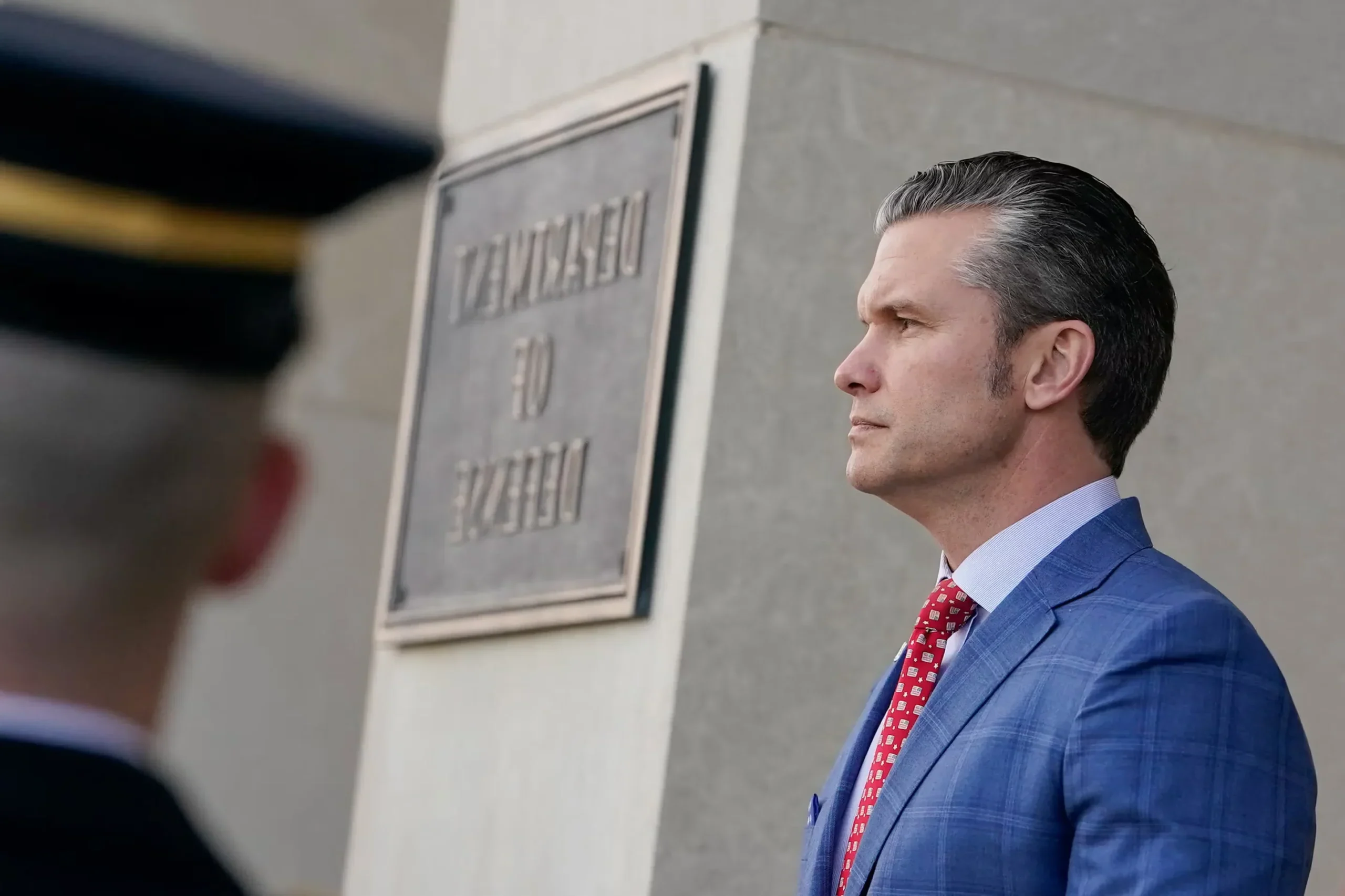
In 2025, U.S. Secretary of Defense Pete Hegseth reversed several base-renaming actions initiated under prior administrations. His orders reinstated the original names of military installations once changed because of their Confederate associations. Pete Hegseth argues that these moves are about preserving history and morale, even when new namesakes share only the same last names as the original Confederate figures — a maneuver that critics say skirts the spirit, if not always the letter, of law.
Congress is pushing back fiercely. The opposition is bipartisan and spans both moral and practical concerns. Democrats and some Republicans are introducing or supporting legislation within the National Defense Authorization Act (NDAA) that would prohibit spending to rename bases back to Confederate-linked names.
Key Issues Driving Congressional Pushback
- Law and Commissions Already Established
In 2021, Congress created the Naming Commission, which recommended renaming Army bases that honored Confederate figures. Those recommendations were adopted in 2023, renaming nine bases in ways meant to reflect broader American values and honor women, minorities, prominent military families, and other non-Confederates.
Pete Hegseth’s changes — while keeping the old base names — often use similarly named individuals not tied to the Confederacy (e.g., “Roland Bragg,” “Fred Benning”) to claim compliance with law while restoring original base names. Critics say this is a workaround rather than a genuine renaming. - Spirit Versus Letter of the Law
Although Hegseth’s moves technically adhere to some requirements (by choosing non-Confederate namesakes), many in Congress see this as undermining the intent of the Naming Commission and the laws passed around renaming. The base renamings under the Commission weren’t just names, but symbolic steps toward inclusivity and reexamining the values that public institutions uphold.
- Community and Economic Impacts
Renaming and then reversing names causes logistical, financial, and emotional consequences. Signage, maps, documents, and local traditions all have to adjust. These changes affect local economies (military installations bring in business, recognition, identity), and communities that were honored under the 2023 names have expressed hurt and frustration at seeing their names removed.
- Bipartisan Concern Over Polarization
The issue has become less about simple names and more about national identity, what values are officially honored, and whether governmental decisions are driven by principle or politics. Some Republicans support blocking the reversions, saying that these “Confederate-linked” names — even with new namesakes — still evoke a legacy many Americans want addressed.
What Has Already Happened
- Fort Liberty in North Carolina was reverted to Fort Bragg under Hegseth. The new namesake honors Pfc. Roland Bragg (WWII) rather than Confederate General Braxton Bragg.
- Fort Moore in Georgia (originally Fort Benning) was restored back to Fort Benning, named for Cpl. Fred G. Benning, instead of General Henry L. Benning.
- Additional bases renamed in 2023 (for women, minorities, etc.) are now being reverted by the Pentagon, often under similar “same surname, new person” logic.
Conclusion
Pete Hegseth’s base-name reversals have ignited a debate around history, memory, symbolism, and law. Congress is pushing back because many believe these reversals roll back not just names but the moral and cultural decisions made in recent years to make military installations more inclusive and representative of the nation’s values. As the final version of the NDAA is negotiated, it appears likely that the legislative branch may block funding or otherwise constrain the Pentagon’s ability to continue this reversal.
At the heart of the conflict is not just which names are used, but what those names say about what the U.S. honors, remembers, and aims toward.
Must Read: Trump Officials Pause Health Agencies Communications: What’s Really Going On?