
Sports
Best VR Sports Games to Try in 2025

The year 2025 marks a breakthrough for VR sports games, combining high-quality graphics, realistic gameplay, and immersive fitness experiences. Unlike traditional gaming, VR allows players to step inside the action, mimicking real-world sports movements and enhancing coordination, reflexes, and endurance. From boxing to tennis, VR sports games now cater to casual gamers, competitive enthusiasts, and fitness-focused players alike.
With advancements in headset technology like PS5 VR, Meta Quest 3, and PC VR, accessibility and performance have dramatically improved. These devices offer smoother tracking, better visuals, and fully immersive environments, making VR sports games not only entertaining but also a practical way to stay active at home.
Suggested Read: Best Wearable Gadgets for Athletes in 2025
Why VR Sports Games Are Changing the Gaming Landscape
VR sports games are more than just fun—they are reshaping how we perceive exercise and gaming. Players engage in full-body movement, often burning more calories than conventional workouts while enjoying interactive gameplay. Developers now focus on accurate motion tracking, realistic physics, and multiplayer modes to elevate competitiveness and immersion.
Games like Beat Saber introduced rhythm-based VR activity, while newer VR sports games mimic real-life sports such as tennis, boxing, and basketball. The appeal lies in combining fitness and entertainment, making them perfect for players seeking a dynamic experience beyond sitting with a controller. With more free VR sports games emerging, entry barriers have lowered, encouraging a larger global audience to join the virtual sports arena.
Top VR Sports Games of 2025
Here’s a look at some of the best VR sports games you can try in 2025:
- Eleven Table Tennis VR: Offers the most realistic virtual table tennis experience with precision paddle control and competitive online play.
- Creed: Rise to Glory: A boxing simulation game that combines intense workouts with cinematic storytelling, perfect for fitness enthusiasts.
- Racket Fury: Table Tennis VR: Adds advanced physics and multiplayer tournaments for competitive players.
- The Climb 2: Not a traditional sport, but it simulates rock climbing, testing endurance, strength, and coordination.
- FitXR: Focused on fitness, this game combines aerobics, boxing, and high-intensity interval training in VR.
These titles demonstrate how VR sports games are evolving to cover both competitive and fitness-focused experiences.
Best Free VR Sports Games in 2025
For gamers who want to test VR sports without spending, there are several best free VR sports games available:
- Echo VR: A zero-gravity, multiplayer sports game that combines teamwork with physical movement.
- Thrill of the Fight: Boxing simulation with realistic physics; beginner-friendly but highly engaging.
- VR Ping Pong: Table tennis simulation offering multiplayer fun without cost.
- Rec Room Sports Activities: Offers mini-games like dodgeball, basketball, and archery for free.
These free VR sports games allow players to experience full immersion and physical interaction without upfront investment, making them perfect for newcomers to VR gaming.
PS5 VR Sports Games: Immersive Play on PlayStation
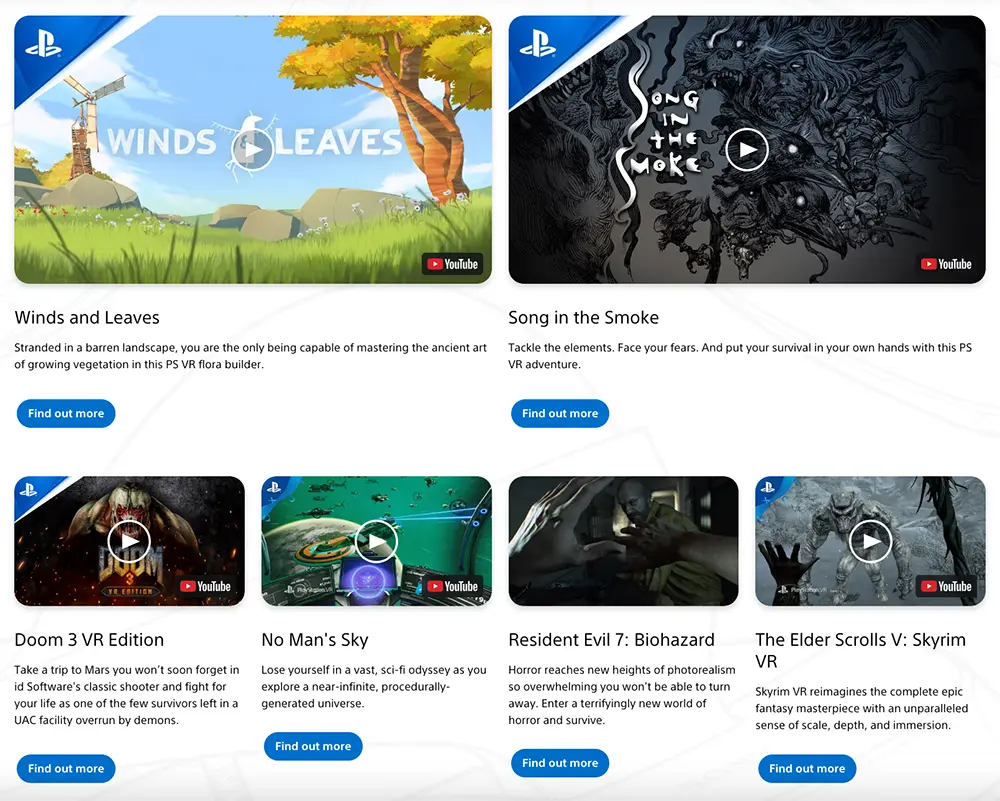
The PS5 VR platform has become a hub for next-generation VR sports experiences. With high-fidelity graphics and responsive motion controllers, PS5 VR sports games deliver unmatched immersion.
Notable titles include:
- BoxVR: A rhythm-based boxing game that turns workouts into exciting virtual matches.
- Pistol Whip: While primarily a rhythm shooter, it incorporates physical movement and reflex training.
- Creed: Rise to Glory: Available on PS5 VR with enhanced graphics and smoother gameplay.
The PS5 VR ecosystem emphasizes comfort and performance, ensuring players can enjoy prolonged sessions without fatigue while engaging in realistic sports simulations.
Multiplayer and Competitive VR Sports
VR sports gaming in 2025 increasingly emphasizes multiplayer modes. Players can compete in virtual leagues, tournaments, and cooperative challenges across the globe. Titles like Racket Fury and Echo VR offer leaderboards, matchmaking, and skill-based ranking systems.
This competitive angle pushes users to improve reflexes, accuracy, and stamina while enjoying social interaction. Virtual arenas allow for immersive tournaments where players feel present alongside friends or international competitors, blending esports with physical activity.
Fitness Benefits of VR Sports Games
VR sports games aren’t just entertainment; they’re also fitness tools. Players engage in full-body motion, performing exercises that improve:
- Cardiovascular endurance
- Hand-eye coordination
- Muscle tone and strength
- Flexibility and balance
Studies show that intensive VR games like boxing or tennis can burn hundreds of calories per session, making them an appealing alternative to traditional gym routines. Developers are increasingly integrating tracking metrics, calorie counts, and fitness goals into gameplay, bridging gaming with health-focused objectives.
The Future of VR Sports Games
The next decade promises even more innovation:
- AI-driven opponents will adapt to player skill, creating personalized challenges.
- Expanded multiplayer arenas will connect players worldwide in real time.
- Cross-platform compatibility will allow seamless gameplay across PS5, Meta Quest, and PC VR systems.
- Enhanced VR hardware will reduce motion sickness and increase comfort for long gaming sessions.
As technology improves, VR sports games will continue to blend fitness, competition, and entertainment, creating entirely new gaming experiences.
Choosing the Right VR Sports Game for You
When selecting a VR sports game in 2025, consider:
- Platform compatibility: PS5 VR, Meta Quest 3, PC VR
- Game genre: Boxing, tennis, climbing, fitness-focused, or multi-sport
- Multiplayer options: Compete with friends or join global tournaments
- Budget: Free vs. premium VR sports games
- Fitness tracking: Does the game provide performance metrics?
Understanding these factors ensures you maximize enjoyment, performance, and value from your VR experience.
Recommended Read: The Rise of Esports: Is It the Future of Sports?
Tips for Getting Started with VR Sports
- Ensure enough play space: A safe, obstacle-free area is key for movement-intensive games.
- Check hardware specs: Higher-end headsets offer smoother motion tracking and graphics.
- Start with beginner-friendly games, such as VR Ping Pong or Rec Room Sports.
- Use protective gear: Wrist straps and padded play areas reduce injury risk.
- Gradually increase session length: Avoid fatigue or motion sickness.
Following these tips makes VR sports gaming safe, fun, and highly engaging.
FAQs: VR Sports Games 2025
Games like VR Ping Pong, Rec Room Sports, and Echo VR are ideal for newcomers.
Yes! Boxing, tennis, and other movement-heavy VR games can burn calories, improve endurance, and enhance coordination.
Yes, popular options include Echo VR, VR Ping Pong, Thrill of the Fight, and Rec Room Sports.
Meta Quest 3, PS5 VR, and high-end PC VR systems are recommended for full immersion and performance.
Absolutely. Many games now offer competitive leagues, tournaments, and cooperative challenges.
Conclusion: Step Into the Virtual Arena
2025 is shaping up to be a landmark year for VR sports games, offering immersive gameplay, competitive challenges, and fitness benefits. From PS5 VR sports games to free VR fitness options, the choices are vast, engaging, and increasingly realistic.
Whether you’re a casual gamer, fitness enthusiast, or competitive player, VR sports games offer a unique combination of fun, movement, and social interaction. Step into the virtual arena and experience the future of sports, right from your living room.
Sports
Top Sports Training Gadgets in 2026

The landscape of sports training gadgets and fitness technology keeps accelerating. In 2026, the industry is no longer just about treadmills and dumbbells; it’s a full ecosystem of smart fitness equipment, wearable tech in fitness, data-driven workouts, and connected fitness equipment that blur the lines between gym, home, and cloud. Whether you’re building a home gym, equipping a boutique studio, or optimizing athlete training, this long-form guide explains the best sports gadgets 2026, how they work, why they matter, and how to choose the best fitness equipment 2026 for your goals.
We’ll cover core categories: smart strength training fitness equipment, wearable sensors, AI-powered gym gear, modular/compact home gym equipment, and recovery tech, and explain how they fit the hybrid fitness model (online + offline). Expect actionable buying guidance, deployment checklists for facilities, and realistic forecasts about what’s coming next.
Recommended Read: Best Wearable Gadgets for Athletes in 2025
Executive summary of Sports Training Gadgets 2026
- 2026 is the year of the connected workout ecosystem: smart benches, adjustable machines, force plates, and wearable sensors sync to create data-driven fitness programs.
- Wearable tech in fitness (high-fidelity IMUs, PPG + ECG, inertial sensors) is now the daily interface for athletes and general users to measure load, readiness, and recovery.
- Smart strength training fitness equipment (smart racks, adaptive resistance machines, and smart plates) automates load progression and captures mechanical outputs like power and bar velocity.
- Hybrid fitness model tools let trainers deliver coaching across in-person sessions, live streams, and on-demand programming with continuous data synchronization.
- Sustainability matters: eco-friendly, modular, and compact systems allow apartment dwellers to adopt home fitness equipment without compromising space or planet.
- The future is human+AI: AI-driven coaching, predictive performance analytics, and personalized recovery dosing are real, but human coaches remain essential to interpret and humanize the data.
Why 2026 is different: from isolated hardware to connected ecosystems
In prior decades, fitness equipment evolution was incremental: better cushioning, slightly improved consoles. Now the leap is architectural: devices are nodes in connected fitness equipment networks. That shift matters for three reasons:
- Actionable Data Devices no longer just display a number; they stream metrics (power, velocity, time under tension, HRV, movement quality) to cloud platforms that synthesize and prescribe. Result: truly data-driven workouts.
- Seamless Coaching The hybrid fitness model combines in-person cues with AI-informed progressions delivered via apps and live classes, making one coach scale to many clients.
- Accessibility & Sustainability Home gym equipment now includes modular, compact strength stations and smart benches that fold away, making high-quality training possible in small spaces with low environmental cost.
This paradigm shift is what transforms a gadget from a fitness tool into a training partner.
Core categories of top sports training gadgets in 2026
Below are the device categories every coach, athlete, and serious enthusiast should know, with specific features to expect and practical use cases.
1. Smart strength training fitness equipment (smart benches, adaptive resistance machines)
What it is: smart benches, connected racks, and resistance machines that sense load, bar speed, and range of motion and adjust automatically or guide the user via real-time cues.
Why it matters:
- Automatically adjusts resistance to preserve velocity-based training (VBT) principles.
- Captures force-time curves, enabling precise programming for strength, power, and hypertrophy.
- Integrates with wearable data (HR, HRV) for session readiness and load management.
Use cases: Olympic lifts with velocity targets, autoregulated power training, rehab with strict concentric/eccentric controls.
Key features to look for:
- Force sensors/load cells or smart plates.
- Bar/strap speed measurement (velocity).
- An app with video cues and automated rest management.
- API for coach dashboards.
2. Wearable tech in fitness (IMUs, smart garments, HRV, and ECG wearables)
What it is: small sensors (inertial measurement units), smart clothing, and wrist/patch wearables that capture motion, heart metrics, and physiological load.
Why it matters:
- Wearables provide continuous measurement outside the gym, tracking movement patterns, running mechanics, and non-training load (sleep, steps).
- Heart rate variability tracking and wearable ECG can inform recovery, detect arrhythmias for safety, and help periodize training intensity.
- IMUs and smart garments enable 3D motion capture for movement quality and injury prevention.
Use cases: gait analysis for runners, asymmetry detection for soccer players, and load monitoring for team sports to prevent overtraining.
Key features:
- Low-latency IMUs for real-time feedback.
- Waterproof form factors for swim or multisport use.
- Integration with athlete management systems.
3. Smart strength training equipment for home gyms (compact strength stations, smart plates)
What it is: modular/compact gym equipment like all-in-one rigs, smart adjustable dumbbells, and smart plates that convert a small corner into a versatile training hub.
Why it matters:
- Enables evidence-based strength training in small apartments.
- Saves space while delivering metrics similar to commercial fitness equipment (load, reps, range of motion).
- Commonly supports remote coaching and hybrid programming.
Use cases: time-efficient hypertrophy cycles, blended resistance + cardio sessions (HIIT-compatible gear).
Key features:
- Quick load changes or electronically adjustable resistance.
- Bluetooth connectivity to mobile apps for workout logging.
- Durable, compact design for limited spaces.
4. Connected cardio & conditioning gear (smart bikes, rowers, treadmills)
What it is: bikes, rowers, and treadmills with power meters, AI training modes, and real-time video integration.
Why it matters:
- Enables precise intensity control (power-based zones) and interactive group classes.
- Offers metrics exportable to training management systems for long-term periodization.
Use cases: FTP testing on a smart bike, interval prescription for triathletes synchronized with swim/strength days.
Key features:
- Accurate power measurement (watts).
- Integration with virtual platforms and classes.
- Real-time resistance control (erg mode).
5. Motion capture & force measurement (force plates, pressure mats, camera-based systems)
What it is: lab-grade force plates and consumer versions for measuring jump power, ground reaction forces, and balance.
Why it matters:
- Provides gold-standard outputs for power profiling, asymmetry detection, and rehab assessment.
- When combined with IMUs and video, it gives a complete movement lab on-site.
Use cases: vertical jump testing, reactive strength index (RSI) for jumpers, and balance testing for elderly athletes.
Key features:
- High sample rate (≥1000Hz for force plates).
- Cloud dashboards for athlete tracking.
- Sync with VBT tools.
6. Virtual reality (VR) & augmented reality (AR) training systems
What it is: immersive environments that combine cognitive load with physical movement, from VR agility drills to AR overlay coaching.
Why it matters:
- Enhances sport-specific training and decision-making under pressure.
- Improves engagement and adherence through gamified drills.
Use cases: reaction-time training for goalkeepers, tactical scenario rehearsal for team sports, and rehabilitative motor learning.
Key features:
- Low-latency motion tracking.
- Integration with real-world fitness equipment (e.g., VR run tracks with treadmill sync).
- Biometric feedback overlay in AR.
7. AI-powered gym gear and coaching platforms
What it is: cloud-based platforms that use machine learning to analyze performance trends and prescribe individualized progressions.
Why it matters:
- Creates predictive performance analytics (e.g., probability of injury based on load spikes).
- Automates micro-adjustments to programming based on recovery metrics and competition schedules.
Use cases: season-long periodization across squads, autoregulation for strength athletes, recovery dosing.
Key features:
- Explainable AI models with coach override.
- Cross-device data fusion (wearables + gym gear + athlete history).
- Actionable alerts and suggested sessions.
8. Recovery and regeneration tech (percussive devices, pneumatic compression, infrared)
What it is: tools that accelerate recovery, tech-driven percussive massage, pneumatic compression boots, localized cryotherapy, and infrared devices.
Why it matters:
- Recovery tech is part of the training load equation; higher fidelity monitoring drives evidence-based recovery prescriptions.
- When linked to wearable readiness scores, these devices are used at the right dose and time.
Use cases: post-game regeneration, reducing soreness to maintain training frequency, and acute inflammation control.
Key features:
- Programmed protocols tied to athlete metrics.
- Portable versions for team travel.
How these gadgets create data-driven workouts
To understand the impact, imagine a training day in 2026:
- In the morning, your wearable reports lower-than-normal HRV and poor sleep score (wearable health monitoring).
- The coach’s dashboard (fed by connected fitness equipment) flags your readiness as “low” and adjusts the day’s smart strength session to a mobility + low-load activation protocol.
- During the session, the smart bench measures bar velocity and commands a slightly reduced concentric target you can hit goals without risking overload.
- Post-session, your recovery device suggests a 10-minute pneumatic compression cycle based on blood-lactate surrogate markers and sleep data.
This is data-driven fitness: sensors, AI, and fitness equipment work together to optimize training stress, reduce injury risk, and accelerate progress.
Why coaches still matter (the human + AI balance)
One common myth is that machines will replace coaches. In reality:
- AI excels at detecting patterns and micro-trends across hundreds of sessions, predicting injury risk, and optimizing load.
- Coaches interpret context, family stressors, competition psychology, and technical nuance and apply judgment to AI suggestions.
In 2026, the best programs are human+AI. Coaches use predictive performance analytics to inform decisions, but remain the final arbiter for programming, technique cueing, and athlete welfare.
Practical buying guide: how to choose the right gear (home or facility)
Below is a checklist to evaluate fitness equipment 2026 purchases.
For home gym equipment (space-limited buyers)
- Prioritize modular/compact gym equipment: smart benches, foldable racks, and adjustable dumbbells with electronic weight indication.
- Choose multi-function tools (bench + cable + pulley) over single-use machines.
- Opt for devices that sync with major training platforms look for open APIs.
- Check sustainability: durable materials, repairability, and manufacturer support.
Long-tail buyer question addressed: “modular and compact home gym equipment for apartments” pick units with a small footprint and stackable storage.
For teams and studios
- Invest in force plates and IMUs for baseline testing and athlete profiling.
- Buy smart strength training equipment with enterprise dashboards and multi-user support.
- Choose AI coaching platforms that support group periodization and roster management.
- Ensure data privacy and consent frameworks for athlete health data.
For boutique operators / hybrid studios
- Hybrid training (online + offline): pick gear that supports live classes and on-demand content production (smart mirrors, cameras, connected bikes).
- Monetization: select subscription-friendly devices with content management and member analytics.
Sustainability & eco-design: the new procurement filter
Sustainability is now an ROI factor:
- Longevity reduces the total cost of ownership. A well-crafted steel rig that lasts 15 years is often cheaper than cheaper imported units that fail in 2–3 years.
- Repairable modular design: look for replaceable parts, open-source spare parts, and local service networks.
- Energy-positive gear: Some commercial fitness equipment harvests kinetic energy and supports gym microgrids.
Implementation checklist for clubs and teams
- Start with testing: baseline athletes with force plates, VBT, and movement screens.
- Integrate wearables: standardize on one wearable for team-wide comparability.
- Define workflows: what triggers a program change? HRV threshold? jump asymmetry >10%?
- Coach training: ensure staff can interpret dashboards and use devices safely.
- Privacy policy: clear athlete consent and data governance.
- Maintenance plan: spare parts, calibration, and firmware updates.
Best sports gadgets 2026 to watch for training (by category)
Below are the gadget types (not brands) that will be headline-makers in 2026.
1. Smart benches and adjustable strength stations
- Motorized adjustment, force sensors, integrated app programming, compact footprint.
2. Smart plates and force-sensing attachments
- Add to existing barbells and racks to measure concentric/eccentric force, time under tension.
3. High-fidelity IMU wearables and smart garments
- 3-axis/9-axis sensors with embedded ML to generate real-time kinematic insights.
4. Consumer-grade force plates & pressure mats
- Jump testing, balance assessment, and gait analysis in a portable form factor.
5. Smart bikes/rowers/treadmills with power and erg modes
- Accurate power metrics and automated interval programming.
6. VR/AR training rigs
- Low-latency motion capture for immersive, sport-specific training.
7. AI coaching platforms and athlete management systems
- Cross-device fusion, autoregulation, and team management dashboards.
8. Recovery tech linked to readiness scores
- Smart pneumatic compression, percussive devices with dosing protocols tied to HRV.
Case studies: real-world deployments
Case A: Collegiate basketball program
- Implements force plates to track jump power weekly. IMUs on players during practice detect deceleration asymmetries; coaches reduce court time for flagged players and design targeted strength sessions on smart racks. Injuries drop, and vertical jump improvements accelerate.
Case B: Boutique hybrid studio
- Uses smart benches and connected bikes for live classes. Members receive personalized progressions between classes via an app; retention increases 20% because training feels personalized despite the group format.
Case C: Apartment-based home athlete
- Uses a modular compact strength station + wearable IMU for at-home training, connects to a remote coach who uses live velocity and ROM data to adjust loads. Gains match those achieved in a typical commercial gym.
Risks, limitations & ethical considerations
- Data overload: more metrics don’t always mean better decisions. Coaches need curation tools.
- Privacy & consent: biometric data is sensitive. Establish encryption, retention policies, and opt-in mechanisms.
- False precision: metrics like “calories burned” are often estimates and should not be used for medical prescriptions.
- Cost & inequality: high-tech fitness equipment can widen access gaps if not balanced with low-tech programming options.
- Standardization: different vendors compute metrics differently; standard units and validation studies are essential to compare across platforms.
How to integrate gadgets into a periodized training plan
- Assessment week: use force plates, VBT, and mobility screens to create baselines.
- Microcycles: use velocity and HR metrics to autoregulate intensity day-to-day.
- Taper & peaking: rely on wearables for readiness and recovery windows, using compression/infrared as adjuncts.
- Re-test: every 4–8 weeks, validate progress with repeat lab tests.
This integrates functional fitness equipment and data-driven programs into meaningful training structures.
ROI and business models for fitness equipment 2026
Gyms and studios are monetizing high-tech gear via:
- Premium tiers: members pay for data-rich, coach-led programming.
- On-demand content: smart bikes and mirrors produce scalable content.
- Performance testing fees: force plate and VBT testing as a periodic service.
Careful procurement, warranties, and training reduce the total cost of ownership and improve the member lifetime value.
The short-term future (2027–2029): what’s next?
- Smarter sensor fusion combining vision, IMU, and force data to produce near-lab accuracy in the field.
- Standardized protocols industry-wide metric definitions for VBT, jump power, and readiness.
- Energy-harvesting fitness equipment in gyms feeds power back to the grid.
- Affordable motion capture for home users, camera-based systems that rival expensive marker-based labs.
Buying checklist (quick)
- Does the device support open data export (CSV, API)?
- Is the device repairable and supported locally?
- Does it integrate with your chosen athlete management system?
- Are metrics validated against gold standards?
- What privacy and data retention policies apply?
Ten product categories you can buy today (prioritized)
- Smart adjustable dumbbells / smart plates
- Compact adjustable racks & smart benches
- IMU sensor packs for athletes
- Consumer force plates
- Connected rowing machines and smart bikes
- Smart mirrors with live coach integration
- AI coaching platforms (subscription-based)
- Percussive & pneumatic recovery devices with app control
- VR training systems for cognitive+physical drills
- Modular calisthenics rigs for small spaces
Suggested Read: Best VR Sports Games to Try in 2025
Final recommendations: how to start in 2026
- If you’re a home user: begin with a compact smart bench or adjustable dumbbells + a single high-quality wearable. Prioritize durability and integration with coaching platforms.
- If you’re a coach/studio, adopt force plates and IMUs for testing, a smart strength station for sessions, and an AI platform for scaling.
- If you run a sports program: build a protocol for monitoring load and recovery: baseline testing → continuous wearable monitoring → autoregulated programming with coach oversight.
Conclusion: technology expands capability, coaching defines outcomes
Fitness equipment 2026 is exciting because it finally converges hardware, software, and human judgment into systems that can reliably improve athletic performance and everyday fitness. Smart strength training equipment, wearable tech in fitness, and connected fitness equipment give us data, but that data only becomes improvement when a coach interprets it and applies human context. The hybrid fitness model means we’ll all train more intelligently, more sustainably, and in more places than ever before.
Sports
Talaria XXX Pro: Performance, Range, Features & Real Rider Opinion

Electric off-road bikes are evolving fast. The Talaria XXX Pro 2025, often styled Talaria xXx Pro TL2500 or simply Talaria xxx Pro, arrives as a more capable, better-equipped version of Talaria’s popular XXX line. It’s pitched at riders who want an accessible but serious e-dirtbike with upgraded suspension, larger battery options, stronger brakes, and modern rider conveniences (TFT display, regen, removable battery) without stepping up to heavyweight, full-sized e-motos.
This long-form review pulls together manufacturer specs, independent rider reports, and community feedback so you can make a clear decision. We’ll look at claimed performance and range, explore Talaria X3 Pro top speed and Talaria X3 top speed context, dig into the hardware changes versus previous models, share real user reviews, and finish with buying tips and final recommendations.
Quick summary — what the Talaria XXX Pro promises
- Model: Talaria XXX Pro (2025 edition / TL2500) — often branded Talaria xXx Pro.
- Official top speed (manufacturer): ~75 km/h (~47 mph). (Note: user reports vary; see real-world section.) — keyword: talaria xxx Pro top speed.
- Battery: 60 V battery pack, options around 38.4 Ah / 40 Ah (LG 21700 cells claimed).
- Range claim: ~100 km @ 25 km/h (conservative city/eco figures).
- Motor: IPM (interior permanent magnet) mid-power motor (high efficiency).
- Suspension: Upgraded rear linkage with ~160 mm travel; 10.5″ dual-rate rear shock on Pro.
- Brakes: 4-piston hydraulic calipers with large rotors (~220 mm).
- Features: TFT colour dash, 4-level regenerative braking, removable battery (design aims for ~5-minute removal with rear wheel removal), knobby off-road tyres (19″ front / 17″ rear).
- Ground clearance & payload: ~260 mm ground clearance; rider capacity noted up to ~250 lbs in heavier-duty editions.
- Charging time: ~4 hours to full on stock charger (manufacturer claim).
- Weight & price: Various retailer listings differ in weight, and Talaria X3 price / Talaria XXX Pro price vary by region and dealer; expect market fluctuations. (See pricing section.)
Design & build: how the Pro differs at a glance
The Talaria XXX Pro is recognizably from the XXX family, but with clear hardware improvements that target real off-road usage:
- Chassis & ergonomics: The frame retains the light, narrow geometry that made the original XXX nimble. The Pro tightens up component quality, stronger rear linkage, longer rear travel (160 mm vs the older model’s shorter travel), and heavier-duty rear shock (10.5″ dual-rate). That translates to more confidence in rough terrain and better absorption of big hits on jumps or rocky trails.
- Wheels & tires: The Pro typically ships with CST knobby tyres 19″ front and 17″ rear a common trail setup that balances steering agility with rear traction. Larger wheels on the front improve obstacle handling compared with small-wheel pit bikes.
- Controls & dash: The addition of a TFT colour display and handlebar controls (lights, kill switch) modernizes the ride experience, providing better information, rider modes, and easier firmware updates.
- Braking: 4-piston hydraulic calipers and 220 mm rotors are a big step up from budget e-bikes. This gives stronger stopping power and a better feel for heavier riders or steep descents.
- Practicality: The removable battery, if used frequently, lets riders charge off-bike. Talaria claims the battery can be removed in roughly five minutes (rear wheel removal required), a clever feature for riders without garage charging or for carrying a spare.
Bottom line: the Pro is a hands-on evolution, not a radical redesign, but the component upgrades are meaningful for real off-road riding, improving confidence and allowing more aggressive riding.
Performance: motor, acceleration & top speed (what to expect)
Motor & torque
Talaria advertises the Pro’s IPM motor as efficient and responsive. IPM motors are commonly chosen for electric motorcycles because they give good torque density and efficiency across a wide rev range. For real-world riders, that translates to solid low-end punch for trail starts and hill climbs, crucial when you’re loaded or tackling technical terrain.
Acceleration
Owner reports consistently praise the Pro’s launch and midrange shove. Expect brisk roll-on from a standing start comparable with mid-level combustion 125–250cc dirt bikes in the hands of an average rider. The instant torque of the electric motor is a big advantage in technical off-road situations: crawling over roots, popping off small lips, and powering through rutted climbs.
Top speed — manufacturer vs rider reality
- Manufacturer/official: ~75 km/h (~47 mph). This is the commonly listed spec for Talaria XXX Pro 2025 search term: Talaria XXX Pro 2025.
- Rider reports / unlocked bikes: Some community posts and independent tests suggest higher numbers when bikes are “unlocked” or modified: riders have reported ~85–92 km/h (~53–57 mph) in those cases. That’s notable, but unlocking often removes speed limiters and may void warranty or exceed safety/contractual limits. (See caution section.)
- Talaria X3 top speed comparison: The older Talaria X3 / Talaria XXX (non-Pro) family typically lists comparable or slightly lower top speeds; the variable Talaria X3 top speed keyword appears because some buyers confuse model names. X3 variants often target similar top speed bands but may differ due to gearing or motor controllers.
Practical takeaway on speed
If you want a practical commuter, the Pros stated 75 km/h is adequate for trail and light road rides. If you want higher speeds, be cautious. Real riders hitting 85–92 km/h may have unlocked bikes, made hardware or firmware changes, or ridden in favourable conditions. For safety and legality, consider the stock limit and know the consequences of modifying software or hardware.
Range & charging: real world vs manufacturer claims
Claimed range
Talaria lists range figures in generous but realistic terms: ~100 km at 25 km/h for the Pro on a single charge (economy riding, low average speed). That figure helps buyers compare, but it must be interpreted cautiously. Off-road riding, elevation changes, heavier riders, and faster speeds will dramatically reduce range.
What impacts the real range
- Speed: Expect the battery to drain much faster at sustained higher speeds (40–80 km/h). Range at highway or fast road speeds will be a fraction of the 100 km claim.
- Terrain & riding style: Aggressive throttle use, rock gardens, and steep climbs sap amps quickly. Conversely, careful trail pacing and regenerative braking can extend effective distance.
- Rider weight & luggage: Talaria’s heavier American edition capacity (250 lbs) means heavier loads reduce range. Single lightweight riders will see better results.
- Tire pressure & rolling resistance: Knobbly tyres and low pressures increase drag.
Charging
- Stock charge time: Manufacturer claims ~4 hours to full using the included charger. Faster chargers may reduce this, but battery thermal management must be respected.
- Swapping batteries: The removable pack idea is useful if you can carry a spare, though the process requires a rear wheel removal on stock bikes (not as easy as a simple slide-out pack), so it’s not as convenient as a slide-in swappable e-scooter pack.
Practical range conclusion
Treat 100 km @ 25 km/h as an optimistic niche metric. In realistic mixed off-road use, expect 30–70 km between charges, depending on how hard you push the bike. For trail days, plan to recharge midday or bring a spare pack.
Chassis, suspension & brakes: how the Pro rides
Suspension
The Pro’s 160 mm rear travel via a new linkage and 10.5″ dual-rate shock gives much more confidence off-road than earlier XXX models. This matters in three ways:
- Damping control: The dual-rate spring helps absorb small chatter and pop on big hits.
- Progressive feel: The linkage curvature delivers comfort combined with bottom-out resistance.
- Adjustability: Riders can fine-tune rebound/preload to match weight and riding conditions.
Front forks are typically reasonably sized for this class, enough to handle trail abuse, but not equivalent to big motocross forks.
Brakes
4-piston hydraulics and 220 mm rotors are excellent for the category. Off-road riders need consistent brake feel in mud and heat; these calipers deliver that compared with single-piston or mechanical systems found on cheaper e-bikes.
Chassis & durability
The narrow, tall chassis is ergonomically designed for off-road movement (standing and shifting weight). The heavier-duty swingarm and linkages on the Pro make it more durable under aggressive riding, but long-term durability still depends on component quality and maintenance (bearing checks, chain tension, electrical waterproofing).
Talaria XXX Pro review & community feedback (real riders speak)
Below is a synthesis of multi-platform rider feedback from owner threads, Reddit communities, and dealer reports. These are paraphrased summaries to show trends, not isolated single posts.
What riders praise
- Rideability: Many call the Pro “the best starter e-moto”, very approachable for riders moving up from electric dirt-bikes or small petrol trail bikes. The instant torque and smooth power delivery get repeated compliments.
- Value for spec: For the component mix (suspension, brakes, battery), owners feel they get good bang for buck compared to comparable Chinese/indie e-bike brands.
- Handling & balance: The 19/17 wheel combo and narrow frame earn praise for threading singletrack and turning quickly.
- Practical features: TFT dash, regen levels, and removable battery are highlighted as great modern touches.
Common criticisms
- Top speed variability: Some owners report lower top speed than expected; others report much higher numbers on modified/unlocked units. This inconsistency confuses buyers.
- Quality control & dealer reliability: Some threads warn about shady dealers, delayed shipping, and inconsistent parts quality across sellers. Buyers advise purchasing from reputable distributors and insisting on warranty paperwork.
- Battery removal ergonomics: While removable, the process requires wheel work not a fast “swap” like some purpose-built models, limiting practicality for long days.
- Documentation & support: Several owners say manuals are basic, and post-sales support can be slow depending on the dealer.
Notable rider quotes (paraphrased)
- “Great for technical trails, instant power is a blast. Don’t expect superb top-end for highway chasing.”
- “I unlocked mine and hit 55 mph, but the battery drained fast, and it’s probably voiding my warranty.”
- “If you buy from a dodgy seller, you’ll regret it. Check references and local stock.”
Comparison: Talaria XXX Pro vs older Talaria XXX / Talaria X3
If you already know Talaria’s line, the Pro is best understood as an incremental but important upgrade.
Key differences vs older XXX / X3 models
- Suspension: Pro gains longer travel and a stronger rear linkage, a big step up for aggressive off-road riding.
- Shock: The 10.5″ dual-rate rear shock on the Pro is more capable than the single-rate or shorter shocks on older models.
- Brakes: 4-piston calipers and bigger rotors on the Pro give far better braking than earlier, lighter setups.
- Electronics & dash: TFT colour display and more refined controls on the Pro vs simpler LCDs previously.
- Battery options: Pro tends to offer larger 38.4/40 Ah packs and improved cell choices (LG 21700) for better range and thermal stability.
- Ground clearance & ergonomics: Slight improvements for trail clearance and rider fit more confidence on obstacles.
What hasn’t changed dramatically
- Fundamental frame geometry: The narrow, agile chassis remains the Pro refines, it doesn’t reinvent.
- Core motor family: Still an IPM motor architecture; torque curve and efficiency are similar, though tweaks to controllers can improve performance.
Is it worth upgrading from the older model?
If you ride hard off-road, do bigger jumps, or need better braking and suspension, yes, the Pro’s upgrades are tangible. For casual riders happy with soft trails, the older XXX/X3 remains compelling and often cheaper on the used market.
Talaria X3 price & Talaria XXX Pro price (what to expect)
Pricing for Talaria models varies by market, dealer, and optional specs (battery size, freight, clearance). Official manufacturer MSRP can differ from local dealer pricing, and import duties add to the final cost.
- Talaria X3 price (estimate): Historically, the X3 and base XXX models occupy the entry to mid-price e-dirt range. In many markets, similar models from other brands list between US$3,000–$5,000 depending on options.
- Talaria XXX Pro price (estimate): The Pro with upgraded suspension, larger battery, and better brakes is positioned above base models; prices commonly listed by third-party retailers or marketplace listings often fall in a mid-range bracket, but vary widely by region and dealer stock. Expect variability; always confirm with an authorized dealer.
IMPORTANT: These are estimates and market references. The best approach: check authorized local dealers, confirm warranty coverage and parts availability, and compare final out-the-door pricing (taxes, shipping, registration where required).
Common modifications, tuning & the “unlock” question
Many owners tinker, and you’ll see two common themes in community threads:
- Unlocking top speed / modifying controllers: This can yield higher Talaria X3 top speed or Talaria xxx Pro top speed, but it usually voids warranties and may overheat motors or degrade battery life. Use caution: modifications can make your ride unsafe or illegal on public roads.
- Suspension tuning & sprocket changes: Tweaks to spring rates, damping, and final drive sprocket can dramatically change acceleration and top speed tradeoffs. Experienced riders often re-gear slightly for more low-end or a higher top end, depending on intended use.
If you modify:
- Keep thermal limits in mind. Faster sustained speeds increase heat and stress on batteries and motors.
- Plan for more frequent maintenance (bearings, chain, brake pads).
- Consider a trusted mechanic or e-moto specialist.
Who should buy the Talaria XXX Pro?
Best fit:
- Trail riders who want a capable, nimble electric dirtbike with upgraded suspension and brakes.
- New riders stepping up from small petrol trail bikes or e-bikes who value electric torque and low maintenance.
- Riders who want modern features (TFT, regen) and the option for a larger battery for longer range.
Not ideal if:
- You need a legal high-speed road machine. The Pro is trail-focused and limited in top speed for a reason.
- You want easy hot-swap battery capability for whole-day racing without mechanical work. The Pro’s removal method is more workshop-style.
- You are after a heavy full-size motocross machine; the Pro is light and nimble but not a 450cc MX replacement.
Buying tips & how to avoid common pitfalls
- Buy from an authorized dealer, verify warranty, and local support.
- Ask for a VIN & serial confirmation to detect grey imports or counterfeit listings.
- Test ride before buying, where possible, confirm fit, power delivery, and perceived quality.
- Check battery & charger specs, confirm cell type (LG 21700 claimed), capacity, and replacement cost.
- Inspect build quality: welds, cable routing, water seals, and off-road machines need durability.
- Documented returns policy: international purchases sometimes are non-returnable.
- Beware “too cheap” listings, the community warns of scams or sellers accepting odd payment methods.
- Plan for spares: chain, front tyre, brake pads, and know local parts channels.
- Insurance & registration: if you intend road use, local law may require registration; check rules.
Maintenance & ownership costs
Electric bikes reduce routine maintenance (no oil changes), but off-road use increases wear on tyres, chains, bearings, and suspension. Battery replacement is the longest-term cost. Treat the battery like a vehicle asset and maintain proper storage and charging habits to maximize longevity.
Expect routine maintenance intervals similar to small off-road petrol bikes: chain lube, suspension service, brake pad changes—factor in potential shipping times for spares if buying from overseas sellers.
Final verdict: Should you buy a Talaria XXX Pro?
The Talaria XXX Pro 2025 is a compelling entry into the serious e-dirtbike category. It improves on the earlier XXX/X3 platform in important ways: suspension, braking, battery options, and modern electronics. For trail riders who want instant torque, approachable ergonomics, and solid spec for the price band, the Pro delivers a strong value proposition.
But some caveats remain:
- Talaria XXX Pro Top speed variability widely reported stock ~75 km/h is conservative and safe; higher numbers require unlocking and risk.
- Dealer reliability & parts availability are real concerns when buying from reputable channels.
- Expect a realistic range: off-road use reduces the advertised 100 km figure substantially.
If you respect those limits, maintain the bike properly, and buy from a trustworthy source, the Talaria XXX Pro can be an excellent trail partner and a worthy step up from entry-level electric dirt bikes.
Sports
The Role of Data Analytics in Player Performance

In today’s competitive sports environment, data analytics in player performance has become the cornerstone of success. Coaches, analysts, and athletes now rely on data science in sports performance to measure, monitor, and enhance every aspect of play. From wearable devices tracking real-time movement to AI-driven insights predicting injuries, sports performance analytics are reshaping the way athletes train, recover, and compete.
Gone are the days of intuition-based coaching. With performance metrics and sports data visualization, decisions are guided by hard numbers, transforming raw data into winning strategies. This shift toward data-driven performance in athletes isn’t just changing outcomes — it’s redefining what’s possible in modern sports.
Read More: Top Sports Apps Every Fan Should Use in 2025
Understanding the Role of Data Analytics in Sports
The role of data analytics in sports extends far beyond simple statistics. It involves collecting, processing, and interpreting complex datasets from training sessions, games, and physiological sensors. Coaches use performance monitoring tools for athletes to track heart rate, fatigue levels, sprint speeds, and workload.
These insights are crucial in fine-tuning player performance analysis and predicting performance dips before they occur. With tools powered by AI in sports analytics, every pass, sprint, and movement can be quantified to reveal actionable insights. This allows teams to base strategies not on assumptions, but on facts supported by thousands of data points.
The Science Behind Sports Performance Analytics
Sports performance analytics combines the power of big data in sports, machine learning models, and biomechanical data analysis. Using these tools, analysts can identify performance trends that humans alone would miss.
For instance, motion capture and sensor technology in athlete tracking provide details about joint angles, running cadence, and muscle load. These metrics become part of performance metrics and KPIs in sports, which coaches evaluate after every match or training cycle. The use of data visualization dashboards for coaches helps translate complex analytics into simple visuals that guide real-world actions.
Data Collection: Where the Numbers Come From
Every piece of data in sports starts with collection — through wearable technology in sports, cameras, and IoT in sports performance tracking devices. These wearables and athlete monitoring software track key metrics like acceleration, distance, and heart rate variability.
Smart stadiums and sports data management systems collect this information in real-time. For example, Catapult and STATSports use wearable athlete tracking tech to deliver live performance metrics. This data is transmitted wirelessly to real-time data analytics in sports platforms where coaches can make in-the-moment decisions about substitution, load, or formation adjustments.
Wearable Devices and Data Tracking for Athletes
The introduction of wearable devices and data tracking for athletes has revolutionized both training and competition. Smart vests, GPS trackers, and motion sensors measure thousands of data points every second.
These technologies give coaches visibility into athlete performance, energy expenditure, and biomechanical efficiency. They help detect fatigue or overtraining before it becomes an injury. For players, this personalized feedback loop encourages self-awareness and fosters accountability — the foundation of data-driven coaching strategies.
How Coaches Use Data Analytics to Enhance Player Skills
Today’s coaches are equal parts strategists and data scientists. They use data-driven decision-making in sports management to identify technical weaknesses, optimize tactics, and design personalized training.
For example, by studying player mapping and spatial analytics, coaches can visualize heat maps that reveal where players spend most of their time on the field. Combining this with performance metrics helps refine positioning and teamwork. With data-driven coaching strategies, feedback is more precise, progress is more measurable, and results are more predictable.
AI in Sports Analytics: From Prediction to Precision
AI in sports analytics has introduced predictive capabilities that were once unthinkable. Through predictive analytics for injury prevention in sports, algorithms can forecast when an athlete is at risk of injury based on historical and live data.
AI also powers performance monitoring tools for athletes, which analyze hundreds of variables simultaneously. Systems like IBM Watson and Catapult’s AI modules are examples of how AI in sports creates smarter, faster insights. In essence, machine learning models for athlete performance help coaches turn gigabytes of raw data into precise recommendations for training and recovery.
Data Analytics in Sport Management and Operations
The influence of analytics isn’t limited to the field. Data analytics in sport management plays a pivotal role in team operations, marketing, and fan engagement. Teams now use fan engagement analytics to design more personalized experiences, while managers rely on sports data-driven decision-making to improve financial and ticketing strategies.
Additionally, predictive analytics in sports management assists in player transfers, sponsorship analysis, and resource allocation — optimizing both performance and profitability.
Read More: How Technology Helps Prevent Sports Injuries
Real-Time Sports Dashboards: Insight at the Speed of Play
Modern teams use real-time sports dashboards to visualize data during live events. These platforms display metrics such as running distance, heart rate, and team formation in real-time, giving analysts immediate insight into player fatigue or tactical adjustments.
With real-time data analytics in sports, coaching teams can adapt strategies on the fly. This ability to make instant, data-backed decisions provides a major competitive advantage — one that separates top-tier teams from the rest.
Applications of Sports Analytics Across Disciplines
The applications of data analytics in sports are nearly endless. In football and cricket, the role of data analytics in football and cricket performance includes tracking ball trajectories and predicting shot success rates.
In tennis and basketball, data systems evaluate swing efficiency, shot placement, or player workload. Even in eSports, performance metrics and KPIs in sports are used to optimize reaction times and strategy. Across all disciplines, the common denominator remains the same — data-driven performance in athletes fuels measurable improvement.
Predictive Models and Injury Prevention
One of the most powerful uses of sports performance analytics is predictive models for injury prevention. These models analyze training intensity, sleep quality, recovery rates, and movement patterns to identify risk factors.
Athletes flagged by these systems can receive personalized training modifications or rest days, reducing injury rates dramatically. This approach saves teams millions and extends athletic careers — a true reflection of analytics-based sports performance optimization.
Data Visualization and Communication
Effective use of analytics depends on how well it’s communicated. Data visualization dashboards for coaches convert raw metrics into intuitive visuals like radar charts, load graphs, and performance trends.
These dashboards empower coaches to make faster, evidence-based decisions without needing technical expertise. When data is clear and visual, it drives actionable insights — closing the loop between analysis and execution.
Cognitive and Physiological Data: Beyond the Physical
Modern analytics extends beyond muscles and motion. Cognitive data and athlete mindset analysis studies mental readiness, decision-making under pressure, and emotional balance.
When combined with physiological data monitoring, teams can predict how stress or fatigue affects concentration. By integrating both physical and mental analytics, coaches gain a more holistic view of player performance analysis, enabling smarter recovery and training protocols.
Big Data and Sports Recruiting
Data analytics in sports recruiting uses big data to identify and evaluate talent. Scouting departments use sports data management systems to assess potential players’ consistency, injury history, and performance KPIs.
With data accuracy processes in sports analytics, recruiters can compare athletes across different leagues and age groups with objectivity. This data-first approach has redefined how teams recruit, ensuring investments are made with evidence — not intuition.
Data Analytics Careers and Future Growth
As sports analytics careers expand, universities are offering specialized degrees in data analytics in sport and sport data analyst careers. Professionals with backgrounds in programming, statistics, and physiology are in high demand.
With the rise of AI in sports leagues, analysts are becoming integral to every professional team’s ecosystem. The future promises hybrid roles combining science, sport, and storytelling — making analytics one of the fastest-growing career fields in sports management.
Future Trends in Sports Analytics
The next phase of the future of data analytics in sports performance management will merge AI, IoT, and neural network-driven analysis. Expect to see wearable technology in sports become even smaller and smarter, integrating biometric, cognitive, and emotional data.
Cloud-based sports data visualization platforms will use real-time tracking and feedback in training to enable adaptive, on-the-go performance coaching. As algorithms evolve, data-driven coaching strategies will become hyper-personalized — turning analytics into an invisible teammate.
Frequently Asked Questions (FAQs)
By tracking training loads, speed, and physiological markers, analytics helps coaches tailor sessions, reduce injury risks, and enhance performance outcomes.
Common tools include wearables (like Catapult and STATSports), video analysis platforms, AI dashboards, and cloud-based visualization software for sports data insights.
AI models predict injuries, analyze tactics, and automate data interpretation, allowing coaches to focus on strategy and player development.
Teams follow data accuracy processes in sports analytics, using validated devices and calibration protocols to ensure reliable performance metrics.
The future involves greater AI integration, real-time decision-making, and data-driven performance in athletes supported by cognitive, physical, and emotional analytics.
Conclusion: The Winning Edge Lies in Data – Data Analytics in Player Performance
The integration of data analytics in player performance has redefined how athletes train, compete, and evolve. Whether it’s predictive analytics in sports management, AI in sports, or data-driven coaching strategies, every innovation moves the industry closer to precision performance.
Sports analytics is not about replacing human intuition — it’s about enhancing it with data-backed clarity. As technology and sports science converge, the line between data and destiny grows thinner. The teams that learn to master their data today will own the future of competition tomorrow.
Technology1 week agoEdge IoT vs Cloud IoT: Key Differences Explained
Technology1 week agoIoT Security Challenges: Risks & Protection Strategies
Cybersecurity9 months agoHow Tools Like AI Porn, Undress AI, and DeepNude AI Are Reshaping Privacy Concerns
Technology1 week agoIoT in Healthcare: Use Cases & Benefits
Technology1 week agoSmart Home IoT Devices: Use Cases & Benefits
Work From Home8 months agoTop 11 High-Paying Remote Jobs in USA You Can Apply for Today
Technology2 months agoBig Tech Lobbying Push Forces EU to Soften AI Regulation: What That Means for U.S. Firms
Gadgets Reviews2 weeks agoBest Budget Laptops 2026: Top Affordable Laptops That Deliver Value