Connect with us

Digital Marketing

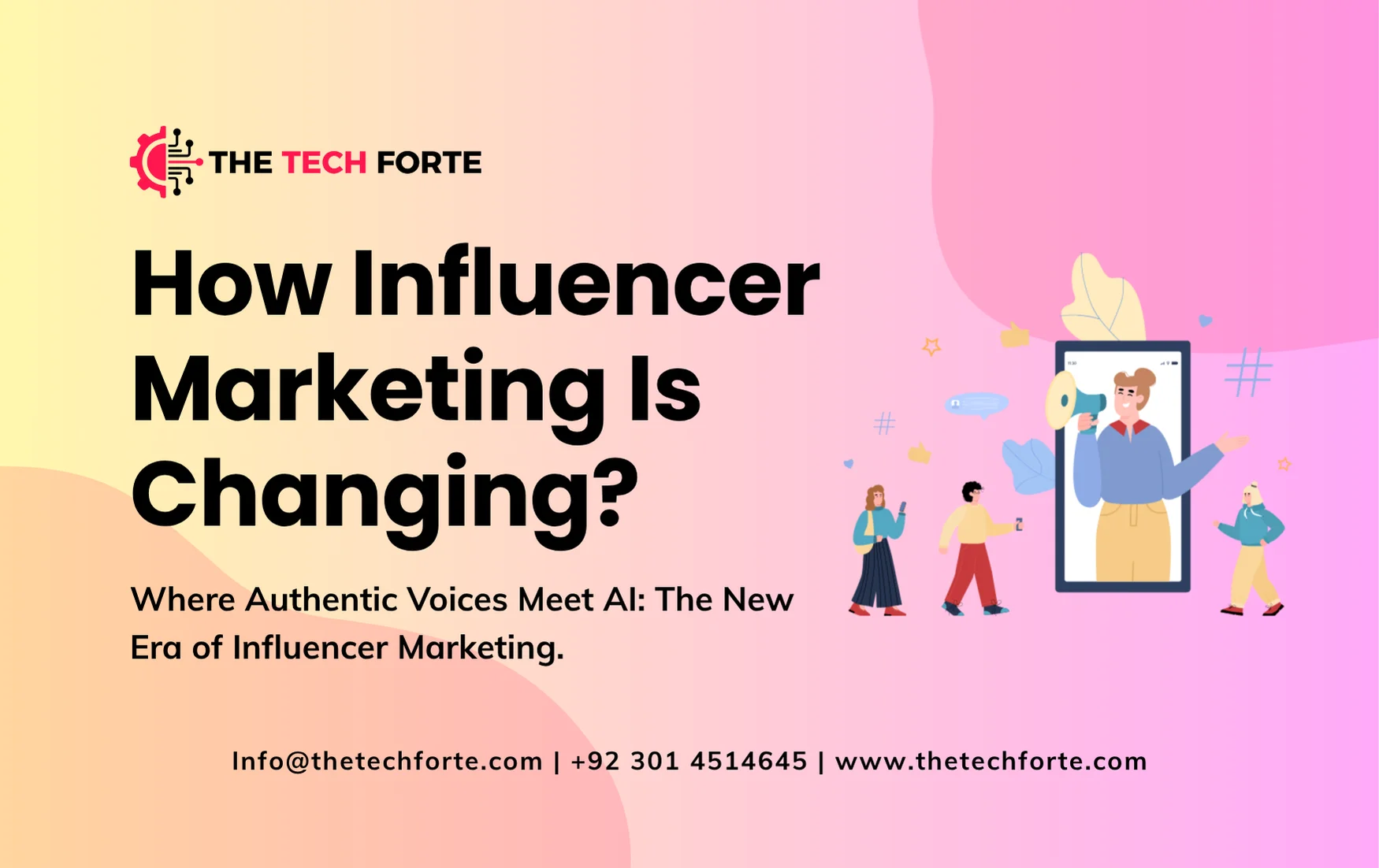
How Influencer Marketing Is Changing in 2025

Published

on

How Influencer Marketing Is Changing

The year 2025 marks a defining moment in the evolution of influencer marketing. What started as simple product endorsements on Instagram has now transformed into a multi-billion-dollar industry powered by AI, data analytics, and creator-driven commerce. Businesses worldwide are rethinking their digital strategies to keep pace with the future of influencer marketing—a landscape where authenticity, technology, and measurable effectiveness define success.

Recent reports, such as The State of Influencer Marketing 2025 by Aspire and DEPT®, reveal that over 80% of brands now rely on influencers as a key part of their marketing mix. This shift reflects not just popularity but the proven effectiveness of influencer marketing in building trust, shaping consumer behavior, and driving measurable ROI.

Recommended Read: Beginner’s Guide to Digital Marketing Campaigns

Why Influencer Marketing Is Effective in 2025

So, why is influencer marketing effective even in an era dominated by AI and automation? The answer lies in its human connection. Audiences trust creators more than traditional ads because influencers communicate stories, experiences, and authentic opinions—not just slogans.

Key factors behind influencer marketing effectiveness include:

Advertisement
  • Authenticity and relatability: Audiences feel a personal bond with creators.
  • Data-driven targeting: Platforms now use AI to match brands with influencers whose audience aligns with brand goals.
  • Multi-channel reach: From TikTok and Instagram to YouTube Shorts and LinkedIn Creators, influencers reach diverse demographics.
  • Higher conversion rates: Influencer content often outperforms paid ads in click-through and engagement.

According to recent influencer marketing effectiveness statistics, micro and nano influencers (under 50K followers) deliver up to 3x higher engagement rates than mega influencers, proving that smaller creators often drive bigger results.

Most Effective Influencer Marketing Strategies for 2025

The most effective influencer marketing strategies 2025 are built on innovation, data, and authenticity. Brands that succeed in the digital influencer marketing space are combining creativity with analytics to measure results and refine their campaigns.

1. Micro and Nano Influencers: The Power of Niche

Brands are shifting from celebrity endorsements to smaller creators who represent authentic communities. These influencers drive meaningful conversations and better ROI through authenticity in influencer marketing.

2. AI and Virtual Influencers: Next-Generation Storytelling

AI influencers and virtual creators are redefining engagement. These digital personalities—like Lil Miquela and Imma—are not just avatars but full-fledged brand storytellers. Their rise demonstrates the next-generation influencer marketing trend toward blending technology and creativity.

3. Social Commerce and Shoppable Content

Influencer marketing is now directly tied to social commerce and influencer sales. Platforms like TikTok Shop and Instagram Checkout allow creators to sell products in real time, making influencer campaigns measurable and transactional.

4. Long-Term Partnerships Over One-Off Deals

In 2025, brand-influencer collaborations focus on relationship building. Instead of single posts, brands now sign long-term contracts for co-created product lines, limited editions, or storytelling campaigns.

Advertisement

5. Data-Driven and Performance-Based Campaigns

The future belongs to data-driven influencer strategies. Brands use influencer analytics and performance metrics to track conversions, measure ROI, and optimize budgets. Platforms like AspireIQ, Upfluence, and Collabstr provide predictive analytics, fraud detection, and engagement insights.
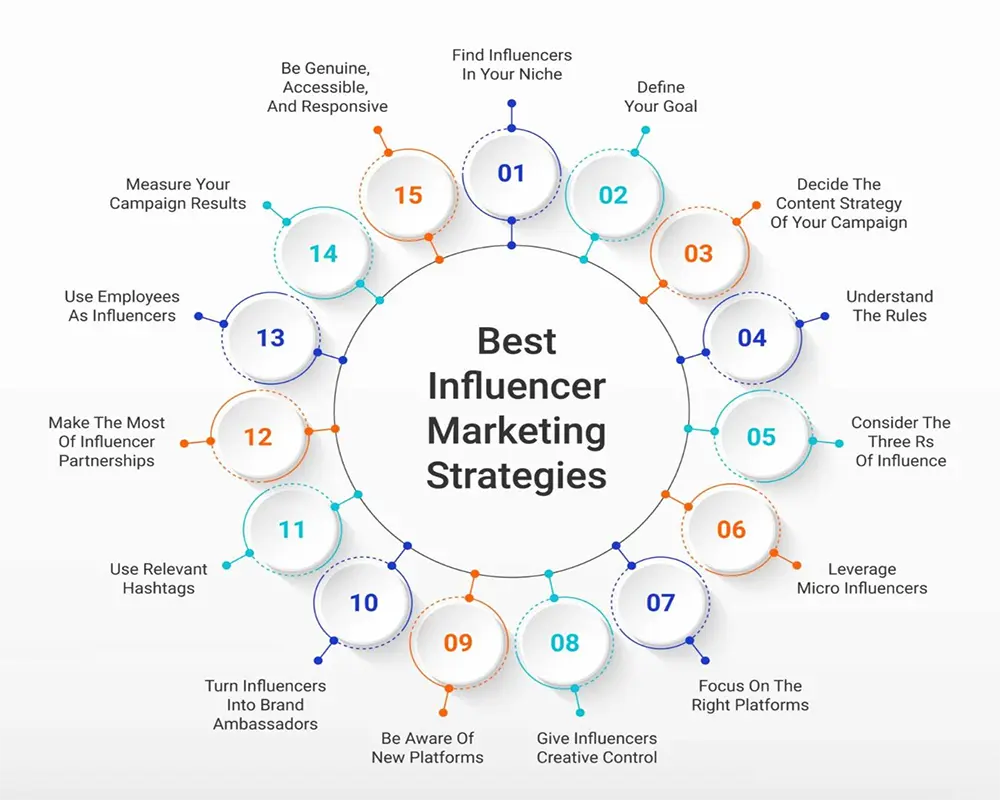
Most Effective Influencer Marketing Strategies for 2025
Most Effective Influencer Marketing Strategies

How Brands Can Measure Influencer Marketing ROI

A common question marketers ask is: “How effective is influencer marketing?” The answer depends on analytics and measurable goals.

Modern brands use metrics like:

  • Engagement rate (likes, comments, saves)
  • Conversion and click-through rates
  • Brand sentiment analysis
  • Audience growth
  • Sales attribution models

With advanced influencer marketing analytics, brands can identify the exact ROI of a campaign—making it one of the most effective influencer marketing strategies for 2025.
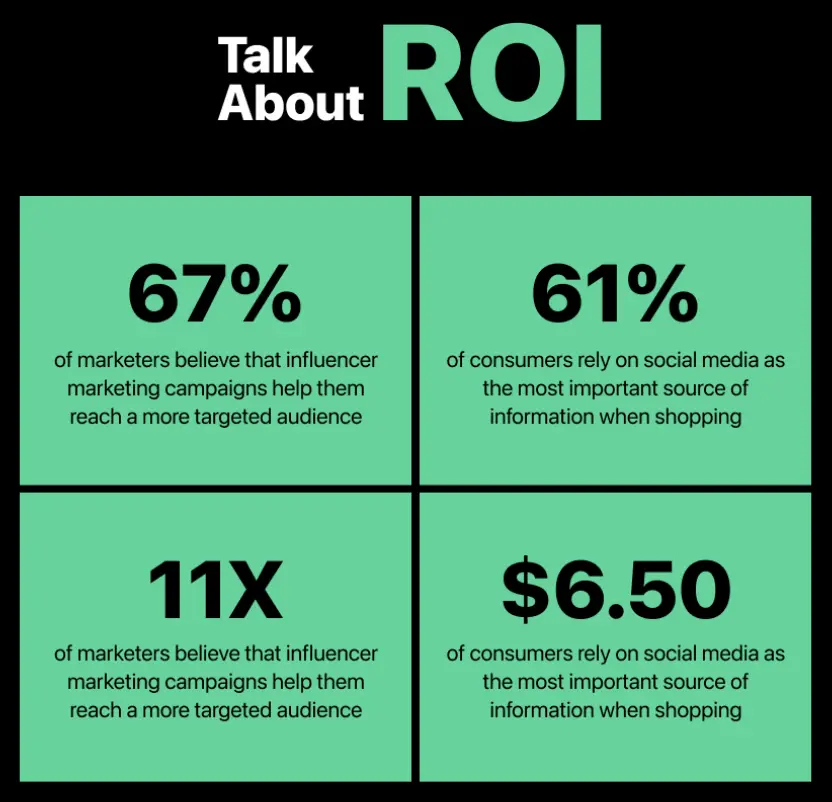
How Brands Can Measure Influencer Marketing ROI
Influencer Marketing ROI

Authenticity and Ethics: The New Marketing Currency

In 2025, authenticity has become the soul of influencer marketing. Consumers value genuine stories, transparency, and real experiences over polished promotions. The influencer marketing ethics and transparency guidelines now emphasize disclosure rules and trust-based collaboration.

Influencer transparency and disclosure rules enforced by the UK’s ASA and the US FTC ensure creators remain honest about paid partnerships—strengthening consumer confidence and long-term brand loyalty.

AI, Data, and Predictive Analytics: The Smart Future

The integration of AI and data analytics in influencer performance is revolutionizing how campaigns are executed. Through predictive analytics in influencer marketing, brands can now forecast engagement outcomes and tailor strategies in real time.

AI tools help identify fake followers, detect influencer fraud, and predict campaign ROI—making influencer marketing more effective and measurable than ever.

Advertisement

Influencer Marketing in the Metaverse and Virtual Worlds

As immersive platforms evolve, the metaverse influencer campaigns trend is taking center stage. Brands are collaborating with digital creators in virtual spaces to launch products, host live events, and build futuristic experiences. This shows how influencer marketing is evolving in 2025 to include human-AI collaboration in content creation.

The Impact of Influencer Marketing on Consumer Behavior in 2025

The impact of influencer marketing in 2025 extends beyond brand awareness—it shapes consumer decision-making. Data shows that over 70% of Gen Z consumers trust influencer recommendations over traditional ads.

This proves that effective influencer marketing doesn’t just sell products—it builds communities, fosters dialogue, and strengthens emotional engagement between consumers and brands.

Effective Influencer Marketing Approaches for Beauty Brands

In the beauty industry, influencer marketing has become the core of brand storytelling. Effective influencer marketing approaches for beauty brands include UGC campaigns, skincare routine tutorials, and AR try-ons powered by AI. These approaches create authentic connections that drive both engagement and purchase intent.

FAQs

It’s becoming more data-driven, AI-assisted, and focused on social commerce.

Advertisement

Because it builds emotional connections through authentic storytelling and trusted voices.

By tracking engagement, conversions, sales, and brand sentiment using advanced analytics platforms.

Platforms like AspireIQ, Upfluence, and Collabstr are leading in 2025 for data analytics, influencer discovery, and ROI measurement.

Micro-influencer collaborations, AI-assisted content, social commerce integration, and long-term brand partnerships.

Conclusion: The Future of Influencer Marketing

The future of influencer marketing in 2025 is clear: data-driven creativity, authentic relationships, and measurable outcomes. As brands adapt to new influencer marketing tools and technologies in 2025, success will depend on balancing human emotion with digital intelligence.

Advertisement

The next generation of marketing belongs to those who understand that influencers are not just content creators—they’re culture creators.


Continue Reading
Advertisement

Digital Marketing

Best SEO Tools for Small Businesses in 2026

Published

on

Best SEO Tools for Small Businesses in 2026: Boost Traffic & Rankings Fast

In 2026, small businesses face an increasingly competitive digital landscape. Search Engine Optimization (SEO) remains a vital component for achieving online visibility, generating leads, and staying ahead of competitors. Leveraging the best SEO tools for small businesses can dramatically improve your content strategy, technical site performance, backlink management, and overall digital presence. This guide dives deep into the most effective SEO tools, their capabilities, pricing, and actionable strategies to optimize your small business website.

Suggested Read: SEO Tools for Small Bloggers: Boost Traffic Fast in 2025

Why Best SEO Tools for Small Businesses Are Essential

Search engine optimization can be overwhelming for small business owners who often juggle multiple responsibilities. Small business SEO tools simplify the process by providing actionable insights for:

  • Keyword research and identifying high-value search terms.
  • Tracking website rankings and performance metrics over time.
  • Performing site audits to detect technical SEO issues.
  • Analyzing competitor strategies for smarter decision-making.
  • Optimizing content for search engines using AI-driven insights.

With the rise of AI and machine learning, modern SEO tools in 2026 are more powerful, user-friendly, and capable of delivering data-driven results, even for small business teams.

Types of SEO Tools Every Small Business Needs

To maximize SEO results, small businesses should utilize a combination of the following core SEO tools:

1. Keyword Research Tools

Finding the right keywords is the foundation of SEO success. Tools like Semrush, Ahrefs, Ubersuggest, and KWFinder allow small businesses to:

Advertisement
  • Identify search volumes and keyword difficulty.
  • Discover long-tail keywords that attract highly-targeted traffic.
  • Analyze competitors’ keyword strategies.

Using AI-powered SEO tools such as ChatGPT for SEO, you can generate keyword ideas, content outlines, and even optimize meta tags for small business websites.

2. Backlink Analysis Tools

Backlinks are a crucial ranking factor. Tools like Ahrefs, Moz Pro, and SE Ranking provide:

  • Insights into your backlink profile and domain authority.
  • Identification of toxic links that may harm SEO.
  • Opportunities for building high-quality backlinks from competitors’ sources.

For small businesses with limited budgets, free alternatives like Ubersuggest or Google Search Console can still provide valuable backlink data.

3. Site Audit Tools

A technical SEO audit ensures your website is optimized for search engines. Tools such as Screaming Frog, Semrush Site Audit, and SE Ranking help detect:

  • Broken links and redirects.
  • Duplicate content and meta tag issues.
  • Mobile-friendliness and site speed problems.

Regular audits using these site audit tools ensure your website performs well, improving both user experience and search rankings.

4. On-Page SEO Tools

Optimizing your website’s content is key to improving organic traffic. Tools like Semrush, Ahrefs, and Moz Pro offer:

  • Real-time content optimization tools.
  • Suggestions for improving headings, meta descriptions, and keyword usage.
  • Analysis of internal linking structure and content relevance.

AI-powered tools can now automatically provide on-page optimization recommendations, saving time for small business owners.

5. Rank Tracking Tools

Understanding where your website ranks for target keywords is essential. Tools such as SE Ranking, Semrush Position Tracking, and Moz Pro Rank Tracker help monitor:

  • Daily, weekly, and monthly keyword ranking fluctuations.
  • Competitor keyword performance and SERP trends.
  • Local SEO performance for small businesses targeting specific regions.

Rank tracking ensures small businesses can refine their SEO strategy based on measurable results.

Top SEO Tools for Small Businesses in 2026

Here is a curated list of must-have SEO tools for small businesses in 2026, categorized by purpose:

Advertisement

1. Semrush – All-in-One SEO Platform

Semrush is a leading SEO software for small businesses, providing comprehensive solutions for keyword research, site audits, backlink analysis, and content optimization. Its AI-powered features help small businesses discover opportunities faster and improve search engine visibility.

Key Features:

  • Keyword research and competitor insights
  • Backlink analysis and link-building tools
  • Site audit and technical SEO monitoring
  • Content marketing and optimization recommendations
  • Local SEO tracking

Best for: Small businesses looking for an all-in-one platform with actionable insights.

2. Ahrefs – Powerful Backlink & Keyword Explorer

Ahrefs specializes in backlink analysis tools and keyword research tools. Its data-driven approach helps small businesses monitor their website’s link profile and discover high-potential keywords.

Key Features:

  • Backlink profile analysis and monitoring
  • Keyword Explorer with global and local search volume
  • Content gap and competitor analysis
  • SERP monitoring and rank tracking

Best for: Businesses focused on link-building and competitor intelligence.

3. Ubersuggest – Affordable SEO for Small Businesses

Ubersuggest is ideal for startups and small businesses on a budget. It provides keyword research, backlink analysis, and content suggestions at a competitive price, with some free features available.

Key Features:

  • Keyword suggestions with search volume and competition metrics
  • Site audit and health checks
  • Backlink opportunities and domain authority insights
  • Content ideas and recommendations

Best for: Budget-conscious small businesses needing a simple yet effective SEO tool.

4. Screaming Frog – Technical SEO Audit Tool

Screaming Frog is a desktop crawler that excels at site audit and technical SEO analysis. It identifies broken links, duplicate content, redirect chains, and page-level SEO issues.

Key Features:

  • Comprehensive website crawling
  • On-page SEO analysis
  • Detection of redirects, broken links, and errors
  • XML sitemap generation

Best for: Small businesses with complex websites requiring detailed technical SEO audits.

5. Google Search Console & Google Analytics – Free Essential Tools

No small business SEO toolkit is complete without Google Search Console and Google Analytics. These free tools provide insights directly from Google.

Advertisement

Key Features:

  • Performance monitoring and keyword data
  • Indexing and crawl error detection
  • Organic traffic and user behavior analysis
  • Integration with other marketing tools

Best for: Businesses seeking a zero-cost, highly reliable SEO data source.

6. Moz Pro – SEO Suite for Beginners & Experts

Moz Pro offers a combination of keyword research, rank tracking, and on-page SEO tools. Its domain authority metrics and page optimization suggestions are valuable for small businesses.

Key Features:

  • Keyword Explorer and difficulty scoring
  • Site audits and on-page optimization
  • Backlink analysis and link-building insights
  • Rank tracking and reporting

Best for: Businesses seeking beginner-friendly, comprehensive SEO software.

7. Mangools (KWFinder) – Simplified SEO Toolkit

Mangools provides keyword research, rank tracking, and SERP analysis tools with an easy-to-use interface. It is ideal for small business owners without a technical SEO background.

Key Features:

  • Keyword research with difficulty and search volume
  • SERP analysis for competitive insights
  • Rank tracking and alerts
  • Backlink analysis

Best for: Small businesses needing a simplified, intuitive SEO experience.

8. SE Ranking – Affordable Rank Tracking & SEO Platform

SE Ranking offers rank tracking, competitor analysis, and site audit tools at a small business-friendly price. Its cloud-based platform is ideal for monitoring SEO progress.

Key Features:

  • Daily rank tracking for keywords
  • On-page and technical SEO audits
  • Backlink monitoring and analysis
  • White-label reporting for agencies

Best for: Small businesses and digital agencies seeking cost-effective SEO management.

9. AI-Powered SEO Tools

The SEO landscape in 2026 is increasingly dominated by AI-driven tools that help small businesses optimize content and improve SERP visibility.

Key Features:

  • AI-generated meta descriptions and headings
  • Predictive keyword suggestions
  • Content gap analysis and competitor insights
  • Real-time content optimization

Examples: ChatGPT for SEO, Surfer SEO, and Clearscope.

Best for: Small businesses looking to leverage AI for hyper-efficient content and SEO strategy.

Advertisement

How to Choose the Right SEO Tool for Your Small Business

Selecting the right SEO tools depends on your business goals, website size, budget, and skill level. Consider the following factors:

  1. Functionality – Identify the primary tasks: keyword research, backlinks, audits, rank tracking, and content optimization.
  2. Ease of Use – Small business teams may require intuitive interfaces with minimal learning curves.
  3. Cost – Free or affordable options like Ubersuggest or Mangools are ideal for startups.
  4. Integration – Tools that integrate with Google Analytics, CMS platforms, or other marketing tools streamline workflow.
  5. Support & Updates – Reliable customer support and regular updates ensure your SEO strategy adapts to evolving algorithms.

Key SEO Strategies for Small Businesses Using These Tools

With the right tools, small businesses can implement effective SEO strategies:

  • Conduct keyword research with long-tail keywords to attract qualified traffic.
  • Optimize content with on-page SEO tools for higher visibility.
  • Regularly perform site audits to fix errors and improve user experience.
  • Build and monitor high-quality backlinks using backlink analysis tools.
  • Track performance and refine strategies with rank tracking tools.
  • Leverage AI-powered content optimization to save time and increase efficiency.

Conclusion: Maximize Your Small Business SEO in 2026

The digital landscape in 2026 demands that small businesses adopt modern SEO tools to remain competitive. From keyword research to technical SEO audits and AI-driven content optimization, these tools empower small business owners to make data-driven decisions, improve organic visibility, and drive business growth.

By carefully selecting tools that fit your budget and business needs, whether it’s Semrush, Ahrefs, Ubersuggest, or AI-powered solutions, small businesses can leverage technology to achieve professional-level SEO results.

Investing in the right SEO tools is no longer optional; it’s essential for growth, visibility, and long-term success in the digital marketplace.

Continue Reading

Digital Marketing

The Future of Email Marketing Automation

Published

on

Future of Email Marketing Automation in 2026

At its core, email marketing automation uses software to automatically send emails based on predefined triggers, rules, and customer journeys. A campaign might send a welcome email when someone signs up, a reminder when a cart is abandoned, or a personalized message when a milestone is reached. These flows free marketers from manual emailing, let them scale automated email campaigns, and ensure timely, relevant communication.

But the automation of 2026 looks very different from what it did five years ago. With AI-powered predictive analytics, systems can now forecast user behaviors such as likely purchases, churn risk, or engagement drop-off and proactively adjust email strategy. That means emails are no longer reactive but predictive, designed to anticipate customer needs before they explicitly manifest.

Automation platforms now incorporate machine learning models to optimize subject lines, content, send time, and segmentation. According to Ascend2’s “State of Email and Automation” report, 39% of marketers already use AI or machine learning in their email flows, and many more plan to integrate it soon. These models create a more dynamic, efficient, and effective email marketing strategy, marking a shift from rule-based workflows to intelligent orchestration.

Suggested Read: Beginner’s Guide to Digital Marketing Campaigns

How AI Is Transforming Email Marketing Automation

Hyper-Personalization at Scale

One of the most compelling capabilities of a modern email marketing automation strategy is AI-driven personalization. Rather than just inserting the recipient’s name in an email, AI analyzes a host of data signals, past purchases, browsing behavior, open/click history, and engagement patterns to tailor subject lines, email copy, images, and product recommendations uniquely for each user.

Advertisement

Instead of sending a generic newsletter to 100,000 subscribers, marketers can deliver thousands of subtly different emails optimized for individual preferences. This increases engagement, boosts open and click-through rates, and ultimately improves deliverability and ROI.

Predictive Analytics & Send-Time Optimization

Another major shift is using predictive analytics within email flows. Rather than sending messages at fixed times, advanced systems use AI to predict when each subscriber is most likely to open an email, optimizing send times at the individual level. Success.ai reports open-rate increases of up to 23% with this kind of smart send-time optimization.

Beyond timing, predictive analytics also forecasts subscriber behavior, which users are likely to buy, which might churn, and which segments will respond best to specific types of content. With this intelligence, marketers can tailor not just when to send, but what to send, making campaign flows more proactive and outcome-optimized.

Generative Content & AI-Powered Creativity

AI is not only optimizing who gets what and when, but it’s also creating the content. Modern platforms leverage generative models (akin to large language models) to produce full email copy, subject lines, and creative variations. According to SuperAGI, these AI agents can write multiple versions of automated email campaigns, run A/B tests, and promote the best-performing variant automatically.

This saves content creation time, allows teams to easily scale automated email campaigns, and ensures each recipient receives a message crafted to resonate with them. With further developments, these tools can also generate unique visuals or layouts based on audience insights.

Advertisement

Omnichannel Orchestration

In 2026, email is no longer a silo. Leading email marketing automation platforms integrate seamlessly with SMS, push notifications, in-app messages, and web notifications, creating cohesive omnichannel journeys.

AI helps determine which channel to use for each interaction, when to escalate, and what message makes the most sense next. For instance, a user who hasn’t opened an email might receive a follow-up via SMS or a browser notification. This unified approach boosts relevance, improves retention, and drives conversions across touchpoints.

Enhanced Analytics, Reporting & Optimization

AI-powered automation platforms also transform reporting. Rather than relying solely on last-click metrics, predictive tools generate real-time insights, forecast future campaign performance, and prescribe optimizations such as which subject lines to test, which segments to target, or when to pause a flow.

This shift means email performance is no longer backward-looking; it becomes a live system, continuously adjusting and improving as new data arrives.

Key Trends Driving the Future of Email Marketing Automation in 2026

Privacy-First Automation

As data regulations tighten (GDPR, CCPA, and emerging laws), consent-driven automation is becoming essential. In 2026, privacy-first strategies will dominate, requiring clear user opt-ins, transparent data usage, and user control over their data.

Advertisement

AI platforms are adapting by prioritizing first-party and zero-party data directly shared by users over third-party cookies. This shift allows hyper-personalization while maintaining user trust and regulatory compliance.

Interactive & Dynamic Emails

Static emails are being replaced by interactive formats: AMP-powered email content lets recipients fill forms, view carousels, submit polls, or complete purchases, all without leaving the inbox.

AI is enhancing these layouts dynamically: content blocks change based on user behavior, and predictive models help decide which interactive feature each recipient will likely respond to. This drives deeper engagement.

AI-Powered Segmentation & Lifecycle Scoring

Gone are the days of manual segmentation based solely on age or location. In 2026, AI is being used to automatically score leads for lifecycle stage, churn risk, and engagement propensity.

Marketers can build predictive segments that dynamically update as a user’s behavior changes, allowing for more timely and meaningful automation flows.

Advertisement

Email Deliverability Intelligence

AI is helping solve one of email’s biggest persistent problems: deliverability. Automation platforms now monitor engagement patterns, spam complaints, and bounce rates, and adapt sending strategies to improve inbox placement. This might include adjusting sending frequency or message content in real time, or even pausing automated email campaigns for segments that trigger low engagement or spam signals.

Spam & Security Defense with AI

AI is also being deployed to safeguard the very channels it’s powering. Cutting-edge research, such as the recently published EvoMail framework, uses self-evolving cognitive agents to detect phishing and spam by modeling attacker behavior in real time.

Zero-shot learning with large language models is another promising innovation for identifying novel spam or phishing emails without requiring massive labeled training data.

Voice and AI-Driven Response Automation

As voice assistants become more integrated into our lives, voice-driven email marketing is emerging. Marketers are exploring ways to let users interact with automated emails through voice actions, such as “reply” commands or voice-initiated purchase decisions.

AI can also generate response drafts, propose reply structures, or suggest next-step messages that feel human but are automated, reducing friction in customer interactions.

Advertisement

Leading Email Marketing Automation Tools & Platforms

To capitalize on these trends, marketers are turning to modern platforms that support predictive, generative, and omnichannel automation. Here are some of the top email marketing automation tools and software in 2026:

1. ActiveCampaign

A pioneer in marketing automation, ActiveCampaign now uses AI for predictive sending, lead scoring, and content generation. According to reviews, its integration with hundreds of other apps makes it highly flexible.

2. Klaviyo

Popular among e-commerce marketers, Klaviyo uses advanced segmentation, real-time data sync, and predictive analytics to create tailored customer journeys. Its powerful automation capabilities enable 1:1 experiences at scale.

3. Brevo (formerly Sendinblue)

Brevo’s newer AI modules help automate and optimize multi-step email sequences, scoring leads, and personalizing content based on behavior.

4. HubSpot

HubSpot combines CRM data with AI-driven predictive analytics to trigger behavior-based automations, recommend content, and optimize campaign timing.

Advertisement

5. SuperAGI

SuperAGI offers a next-gen platform with visual journey orchestration, AI content generation, predictive analytics, and cross-channel workflows.

6. Omnisend

Known for its e-commerce capabilities, Omnisend’s predictive segmentation and smart send-time optimization are helping merchants deliver more conversions with tailored flows.

Other noteworthy tools include MoEngage (AI-driven engagement), Zeta Global (acquisition expanding loyalty), and Salesforce Einstein, all building on AI automation capacity.

Developing an Email Marketing Automation Strategy for 2026

To take full advantage of AI automation, marketers need a clear strategic framework. Here’s a structured email marketing automation strategy tailored for 2026:

Define Your Objectives

Start by outlining what you want to achieve: increased engagement, conversions, lead nurturing, retention, or cross-channel reach. Clear goals will guide which automation flows and AI features to prioritize.

Advertisement

Audit Your Data Landscape

AI-powered automation thrives on data. Audit your first-party data (purchase history, email engagement) and zero-party data (preferences collected via forms). Ensure data quality, compliance, and consent.

Build Intelligent Segments

Use predictive models to identify high-value segments: lifetime value, propensity to convert, churn risk, and behavior-based clusters. These segments drive personalized, automated workflows.

Craft Conversational & Dynamic Content

Leverage generative AI for subject lines, content blocks, and variant testing. Use conditional logic and user data to dynamically assemble emails that resonate with each recipient’s journey.

Deploy Triggered & Journey-Based Flows

Avoid linear drip campaigns. Instead, implement journey-based automations that react to user behavior (opens, clicks, conversions) and external events (seasonality, lifecycle milestones).

Optimize Send Timing

Use AI-driven send-time optimization to ensure emails land when individual users are most likely to engage. Combine predictive analytics with behavior signals for maximal impact.

Advertisement

Incorporate Omnichannel Touchpoints

Extend the conversation beyond email. Integrate SMS, push messages, and in-app notifications into your customer journeys, triggered by AI-identified user states.

Monitor, Test & Iterate

Continuously monitor engagement metrics and predictive model performance. Use A/B testing with different AI-generated content and refine based on real-world response.

Maintain Privacy & Compliance

Ensure your automation strategy respects GDPR, CCPA, and other regulations. Use consent-based data collection, secure storage, and transparent AI usage.

Plan for Scale

As AI models evolve, so should your infrastructure. Build in regular retraining, automated retraining pipelines, and human oversight for quality control.

Risks, Challenges & Ethical Considerations

The future of email marketing automation is exciting but not without risk. Here are some critical challenges that marketers and tech leaders must address:

Advertisement

Data Privacy and Consent

Greater personalization means deeper data usage. Without transparent collection, consent, and opt-out mechanisms, you risk eroding trust. The shift to zero- and first-party data can help, but only if handled properly.

AI Bias and Segmentation Fairness

Predictive models learn from historical data. If your training data has biases, your AI workflows may reinforce or amplify them. For example, certain segments may be over-targeted or ignored.

Over-Automation & Loss of Human Touch

Too much automation risks making emails feel robotic or impersonal. While AI can save time, you still need strategic human oversight, especially for high-touch communications. As noted in one marketing community, AI should guide, not replace, creative decision-making.

Deliverability & ISP Constraints

Spam filters and ISPs are increasingly sophisticated. If AI-generated content is poorly crafted or sends volume spikes, email deliverability could suffer. Tying smart sending with compliance and ISP-aware strategies is vital.

Security Risks

Automated email systems are also potential targets: AI can help, but attackers can use generative models for phishing campaigns. Indeed, research shows LLMs can generate spear-phishing emails with high success rates. On the defense side, advanced systems like EvoMail are emerging to fight this with self-evolving agents.

Advertisement

The Future Roadmap: What Comes Next

Generative AI & Autonomous Campaign Creation

As generative AI continues to evolve, future email automation platforms will likely build fully autonomous campaign agents. These agents will design, test, deploy, and optimize email sequences without constant human input while supervised by marketers.

Real-Time Adaptive Journeys

Instead of pre-defined paths, customers will experience adaptive journeys. AI will adjust flows on-the-fly based on real-time data (behavior, context, external signals), reacting immediately to user actions and preferences.

Voice-Native Email Experiences

With AI voice assistants proliferating, email will become more conversational. Voice-integrated workflows might allow users to reply, confirm, or engage via voice. Campaigns could even be personalized to respond to voice commands.

Decentralized & Privacy-Preserving AI

To address privacy concerns, we’ll likely see more decentralized AI workflows. Models trained locally, federated learning, and distributed data architectures will enable powerful personalization without centralizing sensitive user data.

Ethical Automation Frameworks

Brands will institutionalize AI ethics governance for email. Teams will use fairness audits, content blueprints, and “human-in-the-loop” frameworks to ensure automation remains responsible, transparent, and aligned with brand values.

Advertisement

Case Study: Real-World AI-Driven Email Automation (Hypothetical)

To bring this to life, imagine a mid-size e-commerce company in 2026 implementing an AI-powered email marketing automation strategy:

  • They use ActiveCampaign’s predictive sending & lead scoring to identify high-value but dormant subscribers, then deploy a reactivation series.
  • They integrate SuperAGI’s journey orchestration to connect email with SMS and push notifications in a cross-channel nurturing flow.
  • Their AI assistant generates subject lines, product recommendations, and creates variants testing subject lines for the best open rate, body copy for highest engagement, and time for optimal send.
  • They monitor AI performance in real time, using predictive analytics to forecast unsubscribe risk and adjust frequency dynamically.
  • On the security side, they deploy EvoMail-like agents to protect their campaign platform against phishing-style attacks.

This hybrid human-AI strategy gives them scalable personalization, proactive engagement, and a real competitive edge while staying compliant and secure.

Final Thoughts: Why the Future of Email Marketing Is Automated and Intelligent

Email marketing automation is no longer just about scheduling messages. In 2026, it’s becoming intelligent, predictive, and deeply personalized. AI is turning the inbox into a smart, responsive interface that adapts to user behavior, context, and intent. With predictive analytics, generative content, and cross-channel orchestration, marketers can deliver far more relevant, timely, and effective automated email campaigns.

But the stakes are higher: misuse or neglect of ethical issues, privacy, bias, and security can quickly undermine the advantages. The winners in this new era will be organizations that balance AI innovation with responsibility, who treat automation as a strategic tool, not a shortcut.

As AI becomes central to marketing, the future of email automation is not just about sending smarter, it’s about building smarter relationships. And for brands ready to embrace this future, the inbox is no longer a mere channel. It’s a powerful stage for engagement, trust, and growth.

Advertisement
Continue Reading

Guides

Beginner’s Guide to Digital Marketing Campaigns

Published

on

Beginner’s Guide to Digital Marketing Campaigns

In today’s fast-paced digital world, marketing has moved far beyond traditional billboards and TV ads. Businesses now reach their audiences through social media, email, search engines, and more. For anyone new to this space, understanding how to build and manage digital marketing campaigns 2025 can seem intimidating.

This beginner’s guide to digital marketing will walk you through everything — from strategy and planning to execution and performance tracking. Whether you’re a small business owner, freelancer, or aspiring marketer, this step-by-step digital marketing campaign guide will help you build an effective digital marketing strategy for beginners and get real results from your online efforts.

Read More: Video Marketing Trends That Drive Engagement

What Is a Digital Marketing Campaign?

A digital marketing campaign is a coordinated online strategy designed to promote a product, service, or brand using digital channels. These include websites, social media, search engines, email, and paid ads.

Unlike traditional marketing, digital campaigns are measurable and adaptable in real time. You can track engagement, conversions, and return on investment (ROI) with precision.

Advertisement

In essence, a digital marketing campaign helps your business attract attention, build trust, and turn prospects into loyal customers.

Why Digital Marketing Matters for Small Businesses

For small businesses, digital marketing is an affordable and powerful way to compete with larger brands. It levels the playing field by allowing even startups to reach global audiences through smart online strategies.

Some major benefits include:

  • Cost-effectiveness: Online ads are cheaper than traditional media.
  • Targeted reach: Focus on specific demographics or interests.
  • Real-time analytics: Measure what’s working and adjust instantly.
  • Customer engagement: Build lasting relationships through email and social platforms.

Simply put, digital marketing for small businesses is no longer optional — it’s essential.

Types of Digital Marketing Campaigns

Before creating your first campaign, you should understand the types of digital marketing available. Each serves a unique purpose in your marketing mix:

  1. Social Media Marketing Campaigns – Engage audiences on platforms like Facebook, Instagram, and TikTok.
  2. SEO and Content Marketing – Improve visibility on search engines and provide valuable content.
  3. Email Marketing Strategy – Nurture leads and retain customers with personalized communication.
  4. Paid Advertising Campaigns (PPC) – Use Google Ads or Facebook Ads to drive targeted traffic.
  5. Influencer Marketing Campaigns – Partner with content creators who can authentically promote your brand.

Using multiple digital marketing channels in harmony helps create a strong and consistent online presence.

How to Create a Digital Marketing Campaign (Step-by-Step)

Let’s break down how to create a digital marketing campaign in simple, actionable steps.

Advertisement

Step 1: Define Your Goals

Every campaign starts with a clear purpose. Are you trying to generate leads, increase website traffic, or boost sales?

Use the SMART framework:

  • Specific – Clear and focused goals.
  • Measurable – Trackable performance indicators.
  • Achievable – Realistic expectations.
  • Relevant – Aligned with your business objectives.
  • Time-bound – Set deadlines.

Without measurable goals, you can’t optimize or improve your campaigns effectively.

Step 2: Identify Your Target Audience

Knowing who your audience is can make or break your campaign. Conduct target audience analysis to understand their age, interests, online behavior, and pain points.

Use analytics tools and surveys to create buyer personas — fictional representations of your ideal customers.
This insight will help you tailor your content, tone, and channels for maximum engagement.

Step 3: Choose the Right Digital Marketing Channels

Not all channels are equal for every business. Your digital marketing strategy 2025 for beginners should focus on where your audience spends most of their time:

Advertisement
  • Social media platforms for engagement and brand awareness.
  • Search engines for high-intent keyword traffic.
  • Email marketing for nurturing leads.
  • Paid ads for quick results.

Experiment and track which channels drive the best results for your brand.

Step 4: Craft a Compelling Content Strategy

Content is the heart of digital marketing. A good content strategy for digital marketing builds trust and authority while engaging your audience.

Your content can include blog posts, videos, infographics, podcasts, and social media posts. Make sure it aligns with your brand’s tone and your audience’s needs.

Use SEO and content marketing principles — such as keyword optimization, quality writing, and consistent publishing — to rank higher in search results.

Step 5: Set a Budget and Timeline

Every online marketing guide emphasizes the importance of budgeting. Allocate funds wisely across paid ads, tools, and content creation.

For small businesses, affordable digital marketing tools and free analytics platforms can help maximize returns. Always start small, test, and scale up once you find what works best.

Advertisement

Step 6: Launch Your Campaign

Once you have everything set — goals, content, audience, and budget — it’s time to launch.
Use platforms like Google Ads, Facebook Ads, or Mailchimp to run your campaigns.

Make sure to test different ad variations (A/B testing) to identify which visuals or headlines perform better. Launching your first campaign may take some trial and error, but that’s part of learning.

Step 7: Track, Measure, and Optimize

No campaign is complete without proper tracking. Use tools like Google Analytics, Facebook Insights, or HubSpot to monitor key performance indicators (KPIs).

Common metrics include:

  • Website traffic
  • Conversion rates
  • Click-through rates (CTR)
  • Cost per acquisition (CPA)
  • ROI (Return on Investment)

This digital campaign performance tracking ensures you can continuously optimize and improve your results.

Social Media Marketing Campaigns

Social media marketing campaigns are one of the most effective tools in your marketing arsenal. Platforms like Instagram, LinkedIn, and TikTok allow you to build brand personality and connect with customers directly.

Advertisement

A strong social media marketing campaign should include:

  • A content calendar for regular posting.
  • Visual storytelling and engagement-driven posts.
  • Use of hashtags, stories, and reels for visibility.
  • Monitoring engagement and comments for feedback.

Automation tools like Buffer or Hootsuite can help you schedule and manage your posts efficiently.

Read More: How to Create a Winning Social Media Strategy

Email Marketing Strategy for Beginners

Despite being one of the oldest methods, email remains one of the highest ROI channels. A well-structured email marketing strategy can nurture leads and boost retention.

Focus on these essentials:

  • Segment your audience based on behavior or interest.
  • Write personalized subject lines and messages.
  • Automate email workflows for onboarding or promotions.
  • Track open rates and conversions.

For small businesses, tools like Mailchimp or Sendinblue make email marketing simple and affordable.

Paid Advertising Campaigns (PPC)

Paid advertising campaigns like Google Ads and Facebook Ads help drive immediate traffic to your website.

Advertisement

Here’s how to get started:

  • Choose your ad objectives (traffic, conversions, brand awareness).
  • Use precise targeting to reach the right audience.
  • Set your daily or lifetime budget.
  • Test different creatives and messages.

Paid ads deliver quick results and are great for time-sensitive promotions.

Influencer Marketing Campaigns

Influencer marketing isn’t just for big brands. Collaborating with micro-influencers can help you reach niche audiences with authenticity.

Choose influencers whose values align with your brand. Offer them products to review or create sponsored content.
This builds social proof and credibility — two critical factors in digital branding and engagement.

Marketing Automation Tools and Technology

Managing multiple channels can be overwhelming. That’s where marketing automation tools come in.

Tools like HubSpot, Zoho, and ActiveCampaign can automate:

Advertisement
  • Email sequences
  • Social media scheduling
  • Lead nurturing
  • Analytics reporting

Automation saves time while ensuring consistent communication with your audience.

How to Measure the Success of Your Marketing Campaign

To understand whether your campaign worked, you need effective conversion tracking and campaign ROI measurement.

Key metrics to analyze include:

  • Cost per lead (CPL)
  • Customer acquisition cost (CAC)
  • Return on ad spend (ROAS)
  • Engagement rate

These insights help you refine your strategy for future campaigns.

Common Mistakes Beginners Should Avoid

Even the best campaigns can fail if you overlook key details. Avoid these common beginner mistakes:

  • Targeting too broad an audience.
  • Ignoring analytics data.
  • Using inconsistent branding.
  • Neglecting mobile optimization.
  • Lacking clear calls to action.

Remember, campaign optimization is an ongoing process — learn, adapt, and evolve.

FAQs – Beginner’s Guide to Digital Marketing Campaigns

It’s a coordinated series of online marketing efforts designed to achieve a specific business goal, like lead generation or brand awareness.

Begin by setting clear goals, identifying your audience, selecting channels, creating content, and tracking results.

Advertisement

Plan, execute, analyze, and optimize. Each step builds upon the previous to ensure long-term success.

It depends on your goals and audience. Social media works for engagement, SEO for long-term growth, and PPC for fast results.

Use analytics tools to calculate the return on your ad spend, website traffic, and conversions against your total investment.

Conclusion: Building a Digital Future, One Campaign at a Time

Creating your first digital marketing campaign doesn’t have to be overwhelming. With clear goals, the right channels, and consistent tracking, anyone can master the basics of online marketing.

This beginner’s guide to digital marketing campaigns has given you the framework to plan, launch, and optimize effective campaigns — even on a small budget. Start simple, keep learning, and watch your digital presence grow.

Advertisement
Continue Reading

Trending