
Guides
How to Build a Shopify Store from Scratch

How to Build a Shopify Store from Scratch in 2025: Building a successful Shopify online store has never been more strategic or more accessible. As e-commerce continues to dominate U.S. retail growth, Shopify remains the go-to platform for entrepreneurs, startups, and global brands seeking flexibility, scalability, and simplicity.
Whether you’re building a Shopify store with AI, starting a Shopify store for dropshipping, or simply exploring how to build a free Shopify store, the path to success begins with a clear understanding of the process.
This professional, step-by-step guide compiles insights from leading experts and sources such as Shopify, DigitalSilk, CrazyEgg, and Instant, so, giving you a complete roadmap to build, launch, and grow your Shopify business efficiently.
Recommended Read: WordPress vs Shopify: Which Is Better in 2025?
Understanding the Shopify Ecosystem
Before you start designing or selling, it’s essential to understand what makes Shopify the leading e-commerce platform.
Shopify provides an all-in-one ecosystem hosting, payment gateways, inventory management, analytics, and marketing, allowing businesses to manage everything from one dashboard.
Key reasons why U.S. businesses choose Shopify:
- Ease of setup: No coding experience required.
- Scalability: From startups to enterprise-level operations.
- AI integration: Shopify Magic now assists in content creation, inventory predictions, and product recommendations.
- Extensive app ecosystem: Over 8,000 plugins for automation, SEO, marketing, and analytics.
In short, building a Shopify store is no longer just about selling; it’s about building a fully automated online business ecosystem.
Step 1: Create Your Shopify Account
To begin, visit shopify.com and click “Start Free Trial.” Shopify offers a 3-day free trial, followed by flexible monthly plans starting at $5 for basic sellers.
You’ll be asked to:
- Enter your email address, store name, and password.
- Answer basic questions about your business type and goals.
- Get redirected to the Shopify Admin Dashboard, your control center.
Tip: When you build a free Shopify store, use the trial period to explore Shopify’s features before committing to a paid plan.
Step 2: Choose the Right Shopify Plan
Selecting the right plan determines your scalability and profit margin.Plan Ideal For Monthly Cost (USD) Starter New sellers, testing product ideas $5 Basic Small businesses and new stores $39 Shopify Growing businesses $105 Advanced Established brands $399 Plus Large enterprises Custom pricing
Evaluate your expected sales volume, staff size, and marketing needs before deciding.
Step 3: Select and Customize Your Shopify Theme
Your store’s design defines your brand identity and customer experience. Shopify provides 100+ free and premium themes tailored for various industries, from fashion to tech.
Steps to customize your Shopify theme:
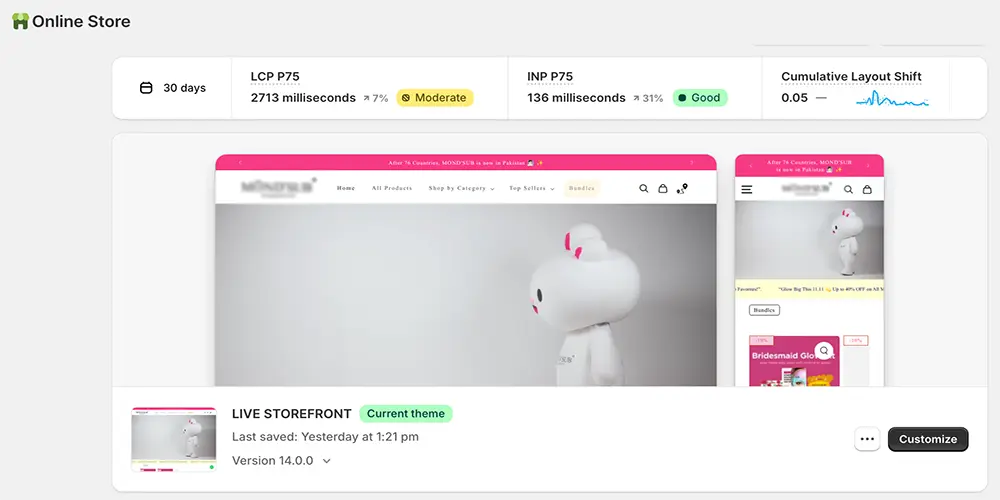
- Go to Online Store → Themes → Customize.
- Adjust layout, fonts, colors, and imagery.
- Preview in desktop and mobile modes.
- Add your brand logo and favicon for visual consistency.
For 2025, Shopify’s AI-assisted theme editor (part of Building a Shopify store with AI) automatically suggests design elements, product layouts, and color palettes based on your industry.
Step 4: Add Products and Create Collections
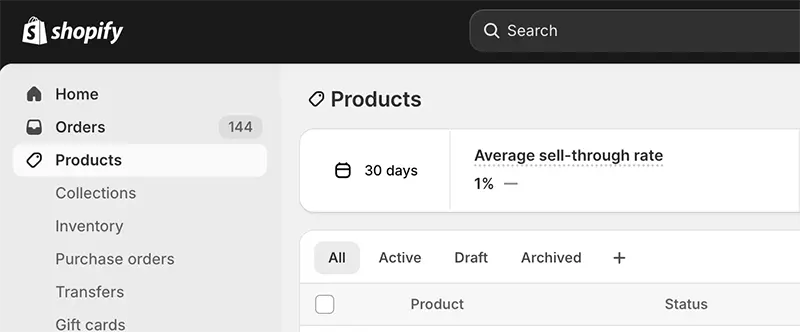
Adding products is the foundation of your store. Navigate to Products → Add Product, then fill in the following:
- Product Title & Description: Include SEO keywords naturally.
- Images & Media: Use high-quality visuals; Shopify supports 3D and video.
- Pricing & Inventory: Track stock levels and SKUs.
- Variants: Offer multiple colors, sizes, or styles.
- Collections: Group similar items (e.g., “New Arrivals,” “Best Sellers”).
Pro Tip: Use Shopify Magic to auto-generate product descriptions and SEO tags, making building a Shopify store with AI faster and more efficient.
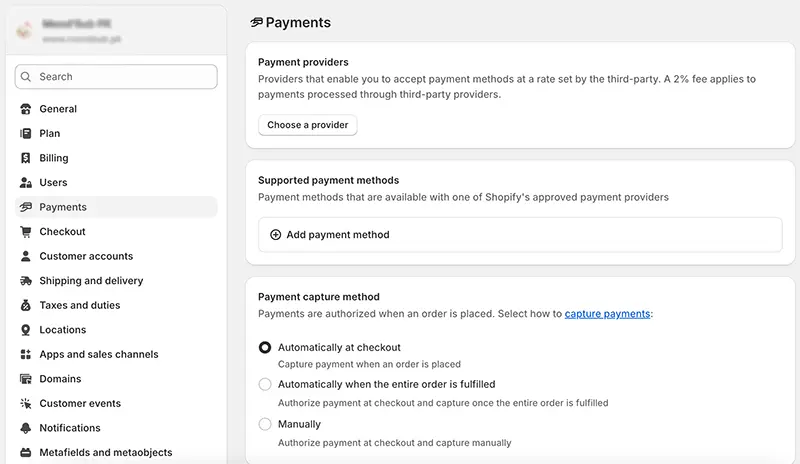
Step 5: Configure Shopify Settings and Payment Gateways
Now it’s time to make your store functional:
- Payments: Activate Shopify Payments or integrate PayPal, Stripe, or Amazon Pay.
- Shipping: Set flat rates or real-time carrier calculations.
- Taxes: Automatically calculate state and federal taxes in the U.S.
- Notifications: Automate order confirmation and shipping updates.
Shopify also offers AI-driven fraud protection and one-click checkout, which can increase conversions by up to 25%.
Step 6: Optimize Your Store for Conversions
Competitors like Instant.so and CrazyEgg emphasize the importance of conversion optimization once your store is live.
Optimization strategies include:
- Speed: Use lightweight themes and optimized images.
- Mobile-first design: 80% of Shopify traffic comes from smartphones.
- Trust signals: Add secure payment icons and customer reviews.
- CTAs: Clear “Buy Now” or “Add to Cart” buttons.
- Analytics: Use Shopify analytics and heatmaps to track engagement.
Step 7: Launch and Market Your Shopify Store
- Test checkout and payment processes.
- Review mobile responsiveness.
- Check for spelling and link errors.
Once your products, pages, and settings are finalized, it’s time to go live.
Before launch:
Marketing strategies post-launch:
- Email Marketing: Integrate with Klaviyo or Omnisend.
- Social Media Integration: Sell directly on Instagram, TikTok, and Facebook.
- SEO Optimization: Use keyword-rich descriptions and blogs.
- Paid Ads: Run targeted Google and Meta campaigns.
Shopify also offers AI-powered marketing tools that recommend campaign ideas based on customer behavior an emerging feature reshaping
Step 8: How to Build a Shopify Store for Dropshipping
If you prefer not to manage inventory, Shopify dropshipping is an ideal business model. You can source and ship products directly from suppliers via platforms like DSers, Spocket, and Oberlo alternatives.
How to Build a Shopify Store from Scratch for Dropshipping:
- Choose a profitable niche (gadgets, home décor, fitness gear, etc.).
- Integrate a dropshipping app via Shopify’s App Store.
- Import products with supplier info and profit margins.
- Set up automated fulfillment and shipping.
- Focus on branding and marketing, not inventory handling.
This approach allows entrepreneurs to scale quickly with minimal upfront costs.
Step 9: Enhance Operations with Automation and AI
The future of e-commerce lies in automation and artificial intelligence. Shopify now supports:
- AI chatbots for customer support.
- Automated product tagging and categorization.
- Smart inventory forecasting.
- Personalized recommendations using customer data.
Building a Shopify store with AI not only saves time but also improves conversion rates and customer satisfaction by delivering tailored experiences.
Step 10: Scale Your Shopify Store
Once your foundation is strong, focus on growth:
- Expand Sales Channels: Sell on Amazon, Walmart, or eBay through Shopify integrations.
- Introduce Subscriptions: Use Recharge or Bold Subscriptions.
- Optimize for SEO: Write keyword-focused blogs (e.g., “Best Shopify stores 2025”).
- Use Data Analytics: Track traffic sources, conversions, and retention rates.
- Reinvest in Paid Campaigns: Focus on ROAS and audience segmentation.
Leading brands like Heinz, Red Bull, and Gymshark all started small on Shopify before scaling globally, proving that structured growth and automation lead to sustainable success.
FAQs: How to Build a Shopify Store from Scratch
Expect to spend between $39–$105/month on Shopify plans, plus costs for apps, domain, and design.
Yes, you can start with Shopify’s 3-day free trial to explore all features before upgrading to a paid plan.
No. Shopify is a no-code platform. Its drag-and-drop builder and AI assistants simplify every step.
Integrate a dropshipping app (like DSers or Spocket), automate product imports, and focus on branding.
A basic store can be live within 1–3 days. More complex, branded stores may take 1–2 weeks.
Yes. Shopify Magic and third-party AI tools can write descriptions, suggest designs, and automate campaigns.
Conclusion: Build Smarter, Sell Faster
How to Build a Shopify Store from Scratch: Building a Shopify store from scratch in 2025 is more than just setting up an eCommerce site; it’s about creating a fully automated, intelligent business system.
By combining the power of AI, dropshipping, and Shopify’s robust ecosystem, U.S. entrepreneurs can launch profitable online stores without deep technical skills.
Whether you’re aiming to build a Shopify store for dropshipping, create a professional online brand, or scale globally, the tools are already at your fingertips.
In today’s digital economy, success isn’t about working harder; it’s about building smarter with Shopify.

Guides
iPhone Battery Saving Tips 2026: 20 Ways to Make Your Battery Last Longer

As iPhones become more powerful and feature-rich, battery life remains a daily concern for many users. In 2025, with iOS 26 rolling out and Apple introducing new power-saving features, it’s a great time to revisit how to get the most from your iPhone’s battery. Whether you’ve upgraded to a new model or you’re trying to squeeze more life out of an older device, these iPhone battery saving tips will help you optimize performance without severely compromising usability.
Here are 20 tried-and-tested strategies from Apple’s own guidance, expert reporting, and real user experiences to extend battery life and preserve battery health.
Recommended Read: What Upgrades Matter Most in iPhone 17: Display, Chip, Camera — What I’d Choose
1. Use Adaptive Power Mode (iOS 26)
One of the most significant new features in iPhone battery saving tips 2025 is Adaptive Power, introduced in iOS 26. Rather than relying solely on Low Power Mode, Adaptive Power uses on-device intelligence to predict high-usage patterns and dynamically adjust performance.
When turned on, Adaptive Power may slightly reduce display brightness, limit background activity, and even enable Low Power Mode once the battery hits 20%.
How to enable it: Go to Settings → Battery → Power Mode, then toggle Adaptive Power on. Note: It takes about a week to learn your usage habits for optimal performance.
2. Manually Turn On Low Power Mode
Even with Adaptive Power, Low Power Mode remains one of the most effective Apple iPhone battery-saving tips. It reduces system animations, slows phone performance, and disables background tasks.
You can activate it via: Settings → Battery → Power Mode → Low Power Mode. You can also create a Shortcut (in the Shortcuts app) to automatically turn on Low Power Mode when your battery drops to a certain percentage.
3. Dim Screen Brightness or Use Auto-Brightness
Your iPhone’s display is one of the biggest drains on battery. According to Apple, reducing screen brightness or turning on Auto-Brightness can significantly preserve battery life.
To enable Auto-Brightness: Go to Settings → Accessibility → Display & Text Size → Auto-Brightness. Additionally, adjust brightness manually via Control Center; lowering it even slightly can yield meaningful savings.
4. Use Dark Mode When Possible
If your iPhone has an OLED display, switching to Dark Mode helps save battery because darker pixels require less power.
Combine this with lowering brightness, and your screen draw can drop even more.
5. Shorten Auto-Lock Duration
The longer your iPhone screen stays on when inactive, the more battery it burns. Adjusting Auto-Lock to a shorter time (e.g., 30 seconds) is a powerful but often overlooked iPhone battery-saving tip.
Longer auto-locks or leaving the screen on inadvertently wastes power, especially if you forget to lock manually.
6. Limit Location Services
GPS and location services are major battery hogs, especially when used by apps constantly.
To conserve battery:
- Go to Settings → Privacy & Security → Location Services
- Disable location access for apps that don’t genuinely need it
- For essential apps, set them to “While Using the App” instead of “Always.”
7. Turn Off Background App Refresh
Many apps refresh in the background even when you’re not using them, which drains battery.
To disable or limit this: Go to Settings → General → Background App Refresh, and either turn it off entirely or limit it to Wi-Fi only.
8. Disable Haptic Feedback When Typing
Haptic feedback (the vibration you feel when typing) feels nice, but wastes power.
You can turn it off by going to Settings → Sounds & Haptics → Keyboard Feedback → Haptics Off.
9. Turn Off “Hey Siri” Listening
If you rarely use Siri hands-free, disabling “Hey Siri” prevents your iPhone from constantly listening for that command, saving battery.
Go to Settings → Siri & Search → Listen for “Hey Siri” and turn it off.
10. Use Wi-Fi Over Cellular Data
Cellular connections, especially when signal strength is weak, use more power than Wi-Fi. Apple recommends using Wi-Fi whenever available.
When you’re in places where Wi-Fi is stable, switch off cellular data to reduce battery consumption.
11. Turn Off Bluetooth & AirDrop When Not Needed
Bluetooth and AirDrop are handy, but they’re also power drains if left on. Geeky Gadgets and other sources suggest toggling them off when they’re not in use.
Go to Control Center and disable Bluetooth/AirDrop or set AirDrop to “Contacts Only” to minimize energy use.
12. Disable Analytics and Sharing
In iOS 26, some users report that disabling analytics-sharing features can improve battery life.
To do this: Settings → Privacy & Security → Analytics & Improvements → switch off “Share iPhone & Watch Analytics”.
13. Avoid Always-On Display (If Available)
If your iPhone supports an always-on display (such as newer Pro models), disabling it helps you conserve power.
Alternatively, reduce its brightness or limit its display options through Settings → Display & Brightness.
14. Turn Off Motion & Transparency Effects
Animations and motion effects (like parallax) are visually pleasing but can use extra CPU and GPU cycles. Reducing these effects helps.
Go to Settings → Accessibility → Motion and enable “Reduce Motion” and even “Limit Frame Rate” to 60 fps if needed.
Also reduce transparency via Accessibility → Display & Text Size → Reduce Transparency.
15. Use Dark, Static Wallpapers
Dynamic wallpapers (especially Live or motion-based ones) demand more power. According to Lifewire, switching to static or dark wallpapers conserves battery.
If you have an OLED iPhone, use pitch-black wallpapers to minimize pixel usage and lower power draw.
16. Limit Fitness Tracking (Motion & Fitness)
Motion tracking is useful, but drains battery over time. Disable fitness tracking if you don’t use your iPhone as a pedometer or motion tracker.
Go to Settings → Privacy & Security → Motion & Fitness and toggle off “Fitness Tracking.”
17. Adjust Mail Fetch Settings
If your Mail app is set to “Push” (instant), your iPhone keeps checking in real-time, which uses more power.
To reduce this: go to Settings → Mail → Accounts → Fetch New Data, and choose “Manual” or a less frequent timing.
18. Turn Off “Preload Top Hit” in Safari
Safari has a setting called “Preload Top Hit” that loads a webpage automatically when it predicts what you’ll click next. That’s helpful but power-hungry.
Disable it in Settings → Safari → Preload Top Hit to conserve battery.
19. Manage Your Charging Habits
Avoid keeping your iPhone at 100% constantly, as doing so over time can degrade battery capacity.
Charge gently when possible: if you don’t need a fast top-up, use slower or more temperature-friendly charging methods.
Remove your case while charging: Some thick or heat-trapping phone cases can increase temperature, reducing long-term battery health.
20. Store iPhone Properly If Not Used
If you plan to store your iPhone for a long stretch, Apple recommends:
- Charge to about 50% before storing.
- Power it off to avoid phantom drain.
- Store it in a cool, moisture-free environment ideally < 32°C (90°F).
- If stored long term, check and top up the battery to ~50% every six months.
Bonus Tip: Monitor Per-App Battery Usage & Insights
In iOS 26 (or later), go to Settings → Battery → View All Battery Usage to see which apps are using the most power. Apple’s Insights feature may even highlight abnormal usage and suggest optimizations.
Use this data to identify power-hungry apps and decide whether to limit or uninstall them. You can also turn off features like “Learn from this App,” “Show on Home Screen,” and other intelligence-driven activities in each app’s settings.
Common Mistakes to Avoid (iPhone Battery Saving Tips)
- Leaving analytics sharing on: Some users report that enabling analytics sharing under Privacy & Security → Analytics & Improvements causes excessive battery drain.
- Ignoring iOS 26 bugs: Multiple Reddit users have reported battery issues after upgrading to iOS 26 and recommend disabling features like Apple Intelligence or background refresh until bugs are patched.
- Overcharging with heat-trapping cases: Using a thick phone case during charging can trap heat and degrade battery health.
- Using wireless charging everywhere: While convenient, wireless charging (especially with non-certified pads) can generate heat and drain battery health over time.
iPhone Battery Saving Tips 2025: Summary Table
Here is a quick summary of the 20 best iPhone battery-saving tips:Tip Description 1. Adaptive Power Mode Automatically lowers performance + brightness when needed 2. Low Power Mode Reduces background tasks and system animations 3. Dim Screen / Auto-Brightness Reduces display power usage 4. Dark Mode Saves power on OLED screens 5. Shorten Auto-Lock Avoid 100%, remove the case when charging 6. Limit Location Services Only allow essential apps to access GPS 7. Background App Refresh Turn off or restrict to Wi-Fi 8. Disable Haptics Turn off keyboard vibration feedback 9. Turn Off “Hey Siri” Saves power from voice-listening 10. Prefer Wi-Fi Use Wi-Fi instead of cellular when possible 11. Manage Bluetooth & AirDrop Disable when not in use 12. Disable Analytics Sharing Turn off iPhone & Watch analytics collection 13. Avoid Always-On Display Turn off or dim on supported models 14. Limit Motion/Transparency Reduce animations to save power 15. Use Static / Dark Wallpaper Avoid dynamic wallpaper 16. Turn Off Fitness Tracking Disable if you don’t need motion data 17. Adjust Email Fetch Change mail to fetch manually or less often 18. Turn Off Safari Preload Disable “Preload Top Hit” to reduce background load 19. Practice Smart Charging Avoid 100%, remove case when charging 20. Store Properly Charge to ~50% and store in a cool place if unused
Why These Are the Best iPhone Battery Saving Tips in 2025
- Leverages iOS 26 Features: Tips like Adaptive Power are new in 2025, using AI to manage power intelligently.
- Rooted in Apple’s Advice: Many tips, such as dimming brightness, using Wi-Fi, or enabling Low Power Mode, come directly from Apple’s own battery-care guidance.
- Modern Relevance: Settings like background app refresh, motion effects, and analytics sharing align with user feedback on iOS 26 battery drain.
- Holistic Approach: Covers not just immediate power-saving, but also long-term battery health: charging habits, storage, and features only newer iPhones support.
Final Thoughts for iPhone Battery Saving Tips
If you’re looking for Apple iPhone battery saving tips 2025, these 20 strategies are among the most effective and up-to-date. Many are based on Apple’s built-in features (like Adaptive Power Mode), while others come from power users’ collective experience. By combining software settings, smart habits, and long-term care, you can significantly extend the life and endurance of your iPhone’s battery.
Whether you’re running low by noon or looking to maximize your battery health over months, implementing even a handful of these best iPhone battery saving tips 2026 can make a meaningful difference. Start with the ones that work best for how you use your device, and don’t forget to monitor your results using the built-in Battery settings and usage insights.
WP Solutions
Best Fast Hosting Providers for WordPress in 2025 (Speed Tests Inside)

The world of WordPress hosting is more competitive than ever. With WordPress sites powering everything from simple blogs to global e-commerce platforms, speed is no longer a luxury; it’s a critical feature. In 2025, choosing the best fast hosting providers for WordPress means balancing performance, reliability, cost, and support.
In this article, we’ll walk through top-rated, speed-tested WordPress hosting options for 2025. Whether you’re looking for managed WordPress hosting, VPS, or even a free host, we’ll highlight providers that deliver outstanding performance and explain how to switch if you’re ready to upgrade.
You can read: Step-by-Step Guide to Creating a WordPress Blog
Why Speed Matters for WordPress Hosting
Before diving into specific providers, let’s examine why speed is so crucial:
- User Experience: Faster-hosted sites load quickly, reducing bounce rates and improving reader engagement.
- SEO Impact: Page speed is an important ranking signal; faster hosting helps improve SEO.
- Scalability and Performance: Fast hosts can better handle traffic spikes, especially if they have caching, CDNs, and optimization.
- Business Conversion: For business or e-commerce sites, speed translates directly to conversions. Users don’t wait.
Given these benefits, many leading WordPress-focused tests in 2025 emphasize metrics like Time To First Byte (TTFB), full page load, and stress-test performance. Providers that can deliver sub-500ms response times often rank at the top.
Key Criteria for Evaluating Fast WordPress Hosts
When evaluating “fast hosting providers for WordPress” in 2025, here are the most important factors:
- Infrastructure & Stack: Whether the host uses NGINX, LiteSpeed, Varnish, Redis, or a CDN heavily influences performance.
- Data Center Locations: Hosting closer to your users reduces latency.
- Caching & Optimization: Built-in object caching, database optimization, and automated caching layers matter.
- Uptime & Reliability: Speed is only useful if your site is reliably online.
- Support & Management: For managed WordPress hosting, high-quality, responsive support is vital.
- Scalability: Can you scale from shared to VPS or cloud easily?
- Value / Cost: Speed shouldn’t come at an unreasonable price; cost per performance is key.
Speed-Tested WordPress Hosting Providers to Consider in 2025
Here are some of the fastest WordPress hosting providers (as of 2025), based on recent speed tests, reviews, and real-world performance comparisons:
1. Kinsta
Why it’s considered among the fastest:
- Built on Google Cloud Platform (GCP) with a premium network.
- Strong caching and performance optimizations.
- ElegantThemes highlights it among “the fastest WordPress hosting companies.”
- Consistently ranked in top speed tests.
Best For:
- High-traffic business sites
- Users who want a fully managed WordPress with enterprise-level performance
Considerations:
- Pricier than shared hosting.
- Less control than a VPS.
2. WP Engine
Why it’s great for speed:
- EverCache technology and built-in CDN optimize performance.
- According to user testing, WP Engine’s TTFB can be very low under stress.
- Excellent uptime and 24/7 WordPress-focused support.
Best For:
- WordPress businesses, e-commerce, and mission-critical sites.
- Users who want managed hosting without manual caching configuration.
Considerations:
- Higher cost.
- Feature-rich plans may require more budget.
3. SiteGround
Speed Highlights:
- According to ElegantThemes, it performed extremely well in load tests.
- A UK website developer found sub-500 ms load times in their speed tests.
- Offers proprietary caching and global data centers.
Best For:
- Small-to-medium business websites.
- Beginner and intermediate WordPress users.
Considerations:
- Introductory pricing is attractive, but renewal rates may increase.
- Shared resources may limit speed under heavy load (unless using their GoGeek or cloud plans).
4. Cloudways
Why It Stands Out for Speed:
- Cloudways offers VPS-like control with a managed stack: Varnish, NGINX, Redis, and Breeze caching.
- Their performance tests yielded very fast response times, especially when optimized.
- Pay-as-you-go model using cloud providers like DigitalOcean or Google Cloud.
Best For:
- Developers & agencies
- Websites need scalability without managing a server.
Considerations:
- Requires some technical know-how.
- Extras like backups, email, and domain management sometimes cost more
5. Hostinger
Speed & Affordability:
- CyberNews named Hostinger “overall fastest” among budget WordPress hosts in one test.
- According to WPBeginner testing, they achieved 757 ms page loads.
- Provides WordPress-optimized shared hosting.
Best For:
- Beginners on a tight budget.
- Small blogs, personal sites, or new WordPress users.
Considerations:
- Lower resource allocation than managed or VPS hosts.
- Speeds may vary by plan and resource limits.
6. Rapyd Cloud
Key Performance Strengths:
- According to their own 2025 WordPress Managed Hosting report, Rapyd achieved very high queries per second.
- Built for high-concurrency sites and scalable workloads.
- Provides a developer-focused managed WordPress environment.
Best For:
- High-traffic business sites.
- Agencies or developers who need speed + scalability.
Considerations:
- Less beginner-friendly.
- Plans may be more expensive than shared hosting.
7. Rocket.net
Why It’s a Speed Leader:
- WPWebElite ranks Rocket.net as a top provider for speed and reliability, noting its globally distributed edge network and Cloudflare Enterprise integration.
- TrendMeadow’s 2025 speed tests show sub-100 ms response times with edge caching.
Best For:
- High-performance WordPress sites that demand low latency.
- Enterprise-level or e-commerce applications.
Considerations:
- More expensive than average shared/VPS hosts.
- Best utilized when content and users are globally distributed.
Free & VPS Options for WordPress Hosting in 2025
While many providers above focus on managed or shared hosting, there are also VPS and free hosting providers for WordPress worth noting.
Best VPS Hosting Providers for WordPress
- Cloudways (again): Their VPS-like infrastructure is highly performant and scalable.
- TechRadar’s 2025 VPS guide highlights Cloudways (Vultr, DigitalOcean) as the top options for managed VPS WordPress
- InMotion Hosting VPS: well-known, stable performance, and scalable.
Best Free Hosting Providers for WordPress
- Free web hosting options exist for very lightweight or test sites. According to Tom’s Guide, providers like InfinityFree, x10Hosting, and AwardSpace remain viable for non-critical or low-traffic sites.
- Caution: Free hosts often sacrifice speed, uptime, or support. They’re best for testing, small blogs, or personal experiments, not production business sites.
How to Change Hosting Providers for WordPress
Switching to a faster hosting provider can seem daunting, but it’s more straightforward than many think and absolutely worth it for performance gains.
- Backup Your Site – Use a plugin like UpdraftPlus or your host’s backup tool to export content, database, and files.
- Choose the Right New Host – Use the criteria above to evaluate speed vs cost vs features.
- Migrate Your Site – Many hosts (e.g., SiteGround, WP Engine, Cloudways) offer free migration support. Alternatively, manual migration using FTP + phpMyAdmin works for advanced users.
- Update DNS Settings – After migrating, update your domain’s nameservers to the new host and allow for propagation (typically 24–48 hours).
- Test Crawl, Speed & Functionality – Use performance tools like GTMetrix / PageSpeed Insights, and check for broken links or missing media.
- Cancel Old Plan – Once you confirm everything works on the new host and DNS is settled, safely cancel your old plan to avoid double-billing.
Comparison Table: Top Fast WordPress Hosting Providers for 2025
| Provider | Type | Notable Performance Feature | Pricing Notes |
|---|---|---|---|
| Kinsta | Managed | Google Cloud + advanced caching | Premium pricing, high speed |
| WP Engine | Managed | EverCache + built-in CDN | Higher cost, enterprise grade |
| SiteGround | Shared / Managed | Google Cloud + caching, staging | Affordable entry, strong support |
| Cloudways | Managed Cloud / VPS | NGINX + Varnish + Redis | Flexible, pay-as-you-go |
| Hostinger | Shared WordPress | Optimized stack + SSD | Cheap, great for beginners |
| Rapyd Cloud | Managed | High QPS and execution speed | Great for high traffic |
| Rocket.net | Edge / Managed | Cloudflare Enterprise edge cache | Premium, ultra-low latency |
Frequently Asked Questions (FAQ)
Fast WordPress hosting means low TTFB (Time To First Byte), strong caching, use of CDNs, and fast PHP execution. Hosts using modern stacks like NGINX, Redis, or object caching typically perform better.
Use managed hosting if you want ease, automatic updates, and support. Choose VPS (like Cloudways VPS) if you need more control, scalability, and are comfortable with some technical aspects.
Generally no. Free hosts often lack performance, resource guarantees, and solid support. They’re better for hobby sites, testing, or early-stage blogs not for production business sites.
Use a backup plugin, copy files and database, update DNS records, and test the new site in staging. Many hosts also offer free or assisted migration.
Yes, a CDN (content delivery network) helps deliver static content like images and CSS from edge servers closer to your users, reducing load times further.
Final Verdict: Top 3 Fast Hosting Providers for WordPress in 2025
If performance is your top priority in 2025, here are our top three recommended hosting providers for WordPress:
- Kinsta – For premium performance, scalability, and a fully managed WordPress experience.
- Rocket.net – For ultra-low latency, global audience sites, or high-traffic platforms.
- Cloudways – For a balance of control, speed, and cost; ideal for developers or growing business sites.
Conclusion
Selecting a fast hosting provider for WordPress in 2025 is more important than ever. Modern users expect near-instant page loads, and Google favors speed in its ranking algorithms. Whether you opt for managed hosting like Kinsta and WP Engine, a scalable solution like Cloudways, or a budget-friendly shared host like Hostinger, prioritizing performance will benefit your site’s speed, SEO, and user experience.
Choose a host that aligns with your performance goals, budget, and technical comfort. If your current WordPress host feels sluggish, migrating to one of these optimized, speed-tested providers could be your best move for 2025 and beyond.
Guides
Step-by-Step Guide to Creating a WordPress Blog

If you’ve ever thought about sharing your ideas online, starting a WordPress blog is one of the easiest and most powerful ways to do it. Whether you’re a beginner or an experienced content creator, WordPress offers flexibility, customization, and ease of use that no other platform can match.
In this step-by-step WordPress blogging guide, you’ll learn how to create a WordPress blog, set it up for success, and start publishing content that can attract readers worldwide. By the end of this guide, you’ll know how to start a WordPress blog — even if you’ve never built a website before.
Read More: How to Speed Up Your WordPress Website
Step 1: Understanding Why WordPress Is Perfect for Beginners
When it comes to building a blog on WordPress, the platform’s popularity speaks for itself — it powers over 40% of all websites on the internet.
Here’s why WordPress is ideal for beginners:
- User-Friendly Interface: You don’t need coding skills to design or manage your site.
- Customization: Thousands of themes and plugins help you personalize your blog.
- SEO-Friendly: WordPress is designed with search engine optimization in mind.
- Scalability: You can start small and grow as your audience expands.
If you’re looking for a beginner WordPress tutorial, this guide will walk you through each stage — from choosing a domain to writing your first post.
Step 2: Choose Your Blog Name and Domain
Every great blog begins with a great name. Your WordPress blog setup starts with choosing a unique blog name and purchasing a domain — the address people will type to find your site.
Tips for picking a great domain name:
- Keep it short and easy to spell.
- Include a keyword that relates to your blog topic.
- Choose a reliable domain extension (like .com or .net).
You can buy a domain through registrars like Namecheap, GoDaddy, or directly via your hosting provider.
Step 3: Pick the Right Hosting Plan
To create a blog with WordPress, you’ll need web hosting — a service that stores your website files. For beginners, hosting providers like Bluehost, SiteGround, or Hostinger offer affordable, beginner-friendly plans with one-click WordPress installations.
When comparing hosting plans, look for:
- Free SSL certificate (for website security)
- Automatic backups
- Reliable customer support
- Fast server speed
If you’re following this WordPress blog setup guide, we recommend starting with shared hosting, as it’s affordable and perfect for new bloggers.
Step 4: Install WordPress
Once your hosting plan is ready, the next step in our WordPress blog setup tutorial is installing WordPress.
Most hosting providers include a one-click WordPress install option. Here’s how:
- Log in to your hosting dashboard.
- Click on “Install WordPress.”
- Choose your domain and site title.
- Set up your WordPress admin username and password.
That’s it! You’ve officially installed WordPress and are ready to customize your site.
Step 5: Choose and Customize a WordPress Theme
Your blog’s design is defined by its theme. WordPress offers thousands of free and premium themes to suit every niche.
Popular best WordPress themes for blogging include:
- Astra – Lightweight and customizable
- OceanWP – Perfect for lifestyle or travel blogs
- GeneratePress – Great for performance and SEO
- Neve – Simple yet stylish
You can easily customize your theme from the WordPress Customizer. Change fonts, colors, and layouts without touching a single line of code — ideal for anyone learning how to build a WordPress blog without coding.
Step 6: Install Essential WordPress Plugins
Plugins are tools that enhance your blog’s functionality. Whether you want to improve SEO, add contact forms, or boost security, there’s a plugin for everything.
Must-have plugins for new bloggers include:
- Yoast SEO – Optimize your posts for search engines.
- Jetpack – Monitor website stats and security.
- UpdraftPlus – Back up your WordPress blog automatically.
- Akismet Anti-Spam – Keep your comments clean.
- WP Super Cache – Improve your site speed.
These plugins simplify your WordPress blog setup process and help maintain smooth performance.
Read More: Best Security Plugins for WordPress in 2025
Step 7: Write and Publish Your First Blog Post
Now comes the exciting part — creating your first post!
Go to your WordPress dashboard → Posts → Add New.
Here’s what to focus on:
- Catchy Title: Include your target keyword, like “Beginner’s Guide to WordPress Blogging.”
- Engaging Content: Offer valuable insights that solve readers’ problems.
- Images and Formatting: Use headings, bullet points, and visuals.
Once satisfied, click Publish, and your blog post will go live instantly.
Step 8: Optimize Your Blog for SEO
Search engine optimization (SEO) helps people discover your content online.
To make your blog visible, follow these blogging with WordPress tips:
- Install an SEO plugin (like Yoast).
- Use relevant keywords naturally throughout your post.
- Add meta titles and descriptions.
- Optimize images with alt text.
- Create internal links to your previous posts.
These steps are crucial if you want your WordPress blog for beginners to grow organically.
Step 9: Add Key Pages to Your Blog
Every professional blog includes essential pages that provide information and credibility.
You should create:
- About Page: Share your story and what your blog offers.
- Contact Page: Allow readers or clients to reach out easily.
- Privacy Policy: Required for legal compliance.
- Blog Page: Display your latest posts in one place.
This makes your site look complete and trustworthy.
Step 10: Monetize Your Blog
Once your blog starts attracting traffic, you can turn it into an income source. Here’s how to make money with your WordPress blog:
- Affiliate Marketing: Promote products and earn commissions.
- Display Ads: Use Google AdSense or Media.net.
- Sell Digital Products: Offer eBooks, courses, or templates.
- Sponsored Posts: Partner with brands for paid collaborations.
Monetization is one of the biggest reasons why people choose to create a WordPress blog — it’s simple, scalable, and rewarding.
Step 11: Keep Your Blog Secure and Updated
Security is essential for any website. To protect your blog:
- Use strong passwords.
- Keep WordPress, themes, and plugins updated.
- Install a security plugin like Wordfence.
- Back up your site regularly with UpdraftPlus.
By taking these precautions, you ensure your WordPress blog setup remains safe and reliable.
Step 12: Promote Your Blog
Once your content is live, it’s time to spread the word!
Here’s how to increase visibility:
- Share posts on social media platforms.
- Join blogging communities.
- Engage with readers in the comments.
- Use email marketing to notify subscribers about new posts.
A well-promoted blog can gain readers fast — even if it’s your first month of blogging.
Frequently Asked Questions (FAQs)
To create a WordPress blog, buy hosting and a domain, install WordPress, choose a theme, and publish your first post. This step-by-step WordPress blog setup tutorial covers all these basics in detail.
Yes! WordPress is the most popular and beginner-friendly blogging platform, offering endless customization, scalability, and SEO tools.
You need a domain name, a hosting plan, and a little time to set up your site. Plugins and themes make the process simple, even without coding.
Starting a WordPress blog can cost anywhere from $3 to $10 per month for hosting. Many themes and plugins are free, so it’s affordable for beginners.
Yes, you can start with WordPress.com’s free plan, but if you want full control, ads, or affiliate income, you’ll need a self-hosted WordPress.org site.
Conclusion: Your Blogging Journey Starts Today
Starting a blog might seem overwhelming at first, but with WordPress, it’s easier than ever. This beginner WordPress tutorial has shown how to create a WordPress blog step by step, optimize it for SEO, and even start monetizing it.
So don’t wait — build your blog on WordPress today and turn your passion, hobby, or knowledge into a brand that reaches thousands of readers across the globe.
Technology1 week agoEdge IoT vs Cloud IoT: Key Differences Explained
Technology1 week agoIoT Security Challenges: Risks & Protection Strategies
Cybersecurity9 months agoHow Tools Like AI Porn, Undress AI, and DeepNude AI Are Reshaping Privacy Concerns
Technology1 week agoIoT in Healthcare: Use Cases & Benefits
Technology1 week agoSmart Home IoT Devices: Use Cases & Benefits
Work From Home8 months agoTop 11 High-Paying Remote Jobs in USA You Can Apply for Today
Gadgets Reviews2 weeks agoBest Budget Laptops 2026: Top Affordable Laptops That Deliver Value
Technology2 months agoBig Tech Lobbying Push Forces EU to Soften AI Regulation: What That Means for U.S. Firms