Connect with us

News Blog

Why Congress Is Pushing Back on Pete Hegseth Order to Rename Confederate-Linked Bases

Published

on

Pete Hegseth

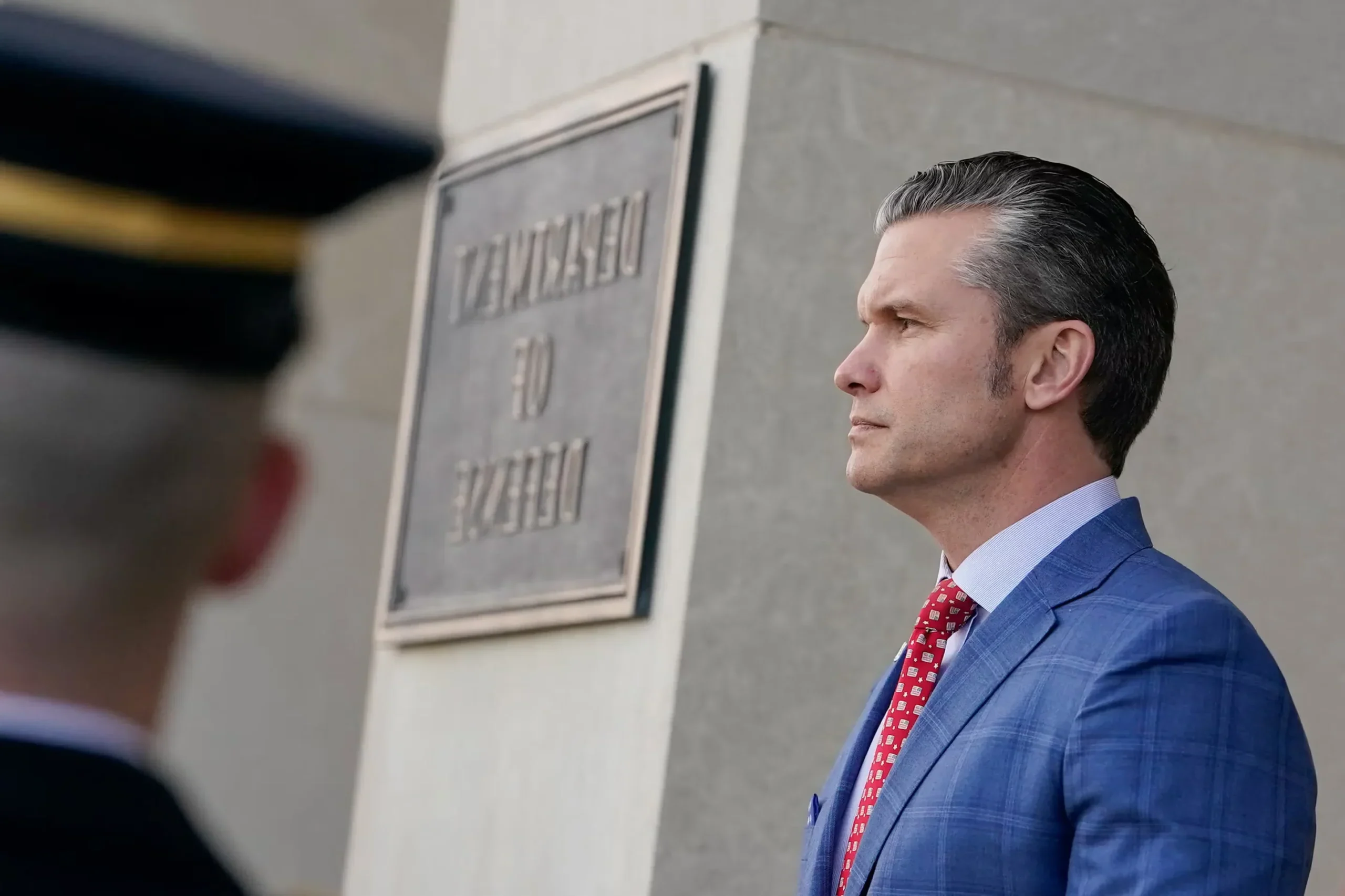
In 2025, U.S. Secretary of Defense Pete Hegseth reversed several base-renaming actions initiated under prior administrations. His orders reinstated the original names of military installations once changed because of their Confederate associations. Pete Hegseth argues that these moves are about preserving history and morale, even when new namesakes share only the same last names as the original Confederate figures — a maneuver that critics say skirts the spirit, if not always the letter, of law.

Congress is pushing back fiercely. The opposition is bipartisan and spans both moral and practical concerns. Democrats and some Republicans are introducing or supporting legislation within the National Defense Authorization Act (NDAA) that would prohibit spending to rename bases back to Confederate-linked names.

Key Issues Driving Congressional Pushback

  • Law and Commissions Already Established
    In 2021, Congress created the Naming Commission, which recommended renaming Army bases that honored Confederate figures. Those recommendations were adopted in 2023, renaming nine bases in ways meant to reflect broader American values and honor women, minorities, prominent military families, and other non-Confederates.
    Pete Hegseth’s changes — while keeping the old base names — often use similarly named individuals not tied to the Confederacy (e.g., “Roland Bragg,” “Fred Benning”) to claim compliance with law while restoring original base names. Critics say this is a workaround rather than a genuine renaming.
  • Spirit Versus Letter of the Law
    Although Hegseth’s moves technically adhere to some requirements (by choosing non-Confederate namesakes), many in Congress see this as undermining the intent of the Naming Commission and the laws passed around renaming. The base renamings under the Commission weren’t just names, but symbolic steps toward inclusivity and reexamining the values that public institutions uphold.
  • Community and Economic Impacts
    Renaming and then reversing names causes logistical, financial, and emotional consequences. Signage, maps, documents, and local traditions all have to adjust. These changes affect local economies (military installations bring in business, recognition, identity), and communities that were honored under the 2023 names have expressed hurt and frustration at seeing their names removed.
  • Bipartisan Concern Over Polarization
    The issue has become less about simple names and more about national identity, what values are officially honored, and whether governmental decisions are driven by principle or politics. Some Republicans support blocking the reversions, saying that these “Confederate-linked” names — even with new namesakes — still evoke a legacy many Americans want addressed.

What Has Already Happened

  • Fort Liberty in North Carolina was reverted to Fort Bragg under Hegseth. The new namesake honors Pfc. Roland Bragg (WWII) rather than Confederate General Braxton Bragg.
  • Fort Moore in Georgia (originally Fort Benning) was restored back to Fort Benning, named for Cpl. Fred G. Benning, instead of General Henry L. Benning.
  • Additional bases renamed in 2023 (for women, minorities, etc.) are now being reverted by the Pentagon, often under similar “same surname, new person” logic.

Conclusion

Pete Hegseth’s base-name reversals have ignited a debate around history, memory, symbolism, and law. Congress is pushing back because many believe these reversals roll back not just names but the moral and cultural decisions made in recent years to make military installations more inclusive and representative of the nation’s values. As the final version of the NDAA is negotiated, it appears likely that the legislative branch may block funding or otherwise constrain the Pentagon’s ability to continue this reversal.

At the heart of the conflict is not just which names are used, but what those names say about what the U.S. honors, remembers, and aims toward.

Must Read: Trump Officials Pause Health Agencies Communications: What’s Really Going On?

Advertisement
Continue Reading
Advertisement

News Blog

UAE Bans Visit and Work Visas for 9 Countries

Published

on

UAE Bans Visit and Work Visas

In September 2025, the UAE Bans Visit and Work Visas. Reports surfaced that the United Arab Emirates (UAE) is imposing a ban on new tourist and work visa applications from citizens of nine countries. The move is set to take effect from January 2026 and affects individuals from several African and Asian nations.

Which Countries Are Affected

According to multiple media sources, the UAE Bans Visit and Work Visas for the 9 countries:

  • Afghanistan
  • Bangladesh
  • Cameroon
  • Lebanon
  • Libya
  • Somalia
  • Sudan
  • Uganda
  • Yemen

Follow TheTechForte WhatsApp Channel for getting the Daily Latest Updates

What Exactly is Banned

  • Only new visa applications for tourist and work visas are being suspended.
  • People already holding valid UAE visas (whether tourist, work, or other types) have not been reported to be affected. Their legal status remains valid.
  • The ban does not seem to be a blanket or permanent block; rather, it’s a suspension until further notice.

Possible Reasons Behind the Decision

While the UAE Bans Visit and Work Visas has not published an official detailed explanation, media and diplomatic sources suggest the following motivations:

  • Security Concerns
    Some reports indicate concerns about overstays, misuse of visas, or other security risks tied to immigration.
  • Immigration Control & Policy Tightening
    UAE may be tightening its immigration and visa issuance rules as part of broader policies to ensure regulatory oversight and enforce stricter entry requirements.
  • Diplomatic & Health Factors
    Factors like diplomatic relations, health screenings, and adherence to immigration guidelines and visitor conduct seem to be influencing the decision in specific instances.

Contradictions & Denials

  • The Bangladeshi embassy in the UAE has denied that there is any ban specifically on Bangladesh, saying no official notification has been issued.
  • Similarly, some countries affected reportedly haven’t yet received formal communication from the UAE authorities confirming the details.

These mixed messages are confusing potential travelers and applicants.

When the UAE Bans Visit and Work Visas Begins

The reported start date for this restriction is January 2026. From that point, nationals of the 9 listed countries will no longer be able to apply for new tourist or work visas until the ban is officially lifted.

Impacts & Reactions

  • Affected Individuals & Families – People planning travel, employment, or relocation to the UAE will experience disruptions. Some may have to delay visa applications or look for alternatives.
  • Expatriate Workforces – Companies hiring from the affected countries will face challenges in recruiting or renewing contract workers.
  • Diplomatic Responses – Embassies from the affected nations have begun asking for clarifications; some have publicly denied certain reports.
  • Travel & Immigration Industry – Agencies, recruiters, and visa consultants are likely to face uncertainty, as guidelines are not fully transparent yet

What You Should Do If You Are Affected

  • Check with your country’s UAE embassy or consulate to confirm whether you’re impacted. Don’t rely solely on media reports.
  • If you already hold a valid UAE visa, ensure you understand its renewal policies and whether your visa is exempt from this ban.
  • If you had plans for visa applications, begin looking for alternatives (other GCC countries, travel postponement, etc.).
  • Keep documentation updated (passports, ID, employment contracts) and ensure you comply with all visa and immigration requirements.

Larger Implications

This restriction is a reminder of how visa policies can change quickly, often without much advanced warning. It also highlights:

  • The fragility of mobility for citizens from certain countries, especially in Asia and Africa.
  • The a need for clear, official communication by authorities to avoid rumors or misinformation.
  • The important for prospective travelers or workers to stay informed about visa policy changes and legal status.

Note:

If you are planning to work or travel abroad, Career Visas Consultancy is your trusted partner. Whether you need a work visa or a visit visa for Bahrain, our professional team will guide you through every step to make the process simple and hassle-free. We also provide tourist visas for Dubai, Turkey, and other destinations, ensuring you can travel with confidence. For students dreaming of studying abroad, we offer complete assistance in securing study visas for the United Kingdom (UK) and Australia (AUS). Contact the Career Visas Consultancy team today for reliable visa solutions tailored to your needs.

Conclusion

The UAE’s ban on new visit and work visa applications from nine countries signifies a significant shift in immigration enforcement. While the motivations appear to center on security, immigration control, and regulatory strictness, the lack of official confirmation and mixed responses from affected governments add complexity. Many people face uncertainty, and the full implications for travel, employment, and diplomatic relations remain to be seen.

Advertisement

As January 2026 approaches, those affected should verify their status through official UAE channels, plan accordingly, and stay informed.

Continue Reading

News Blog

Samiya Hijab Raises Allegations of Harassment and Kidnapping Attempt

Published

on

Samiya Hijab

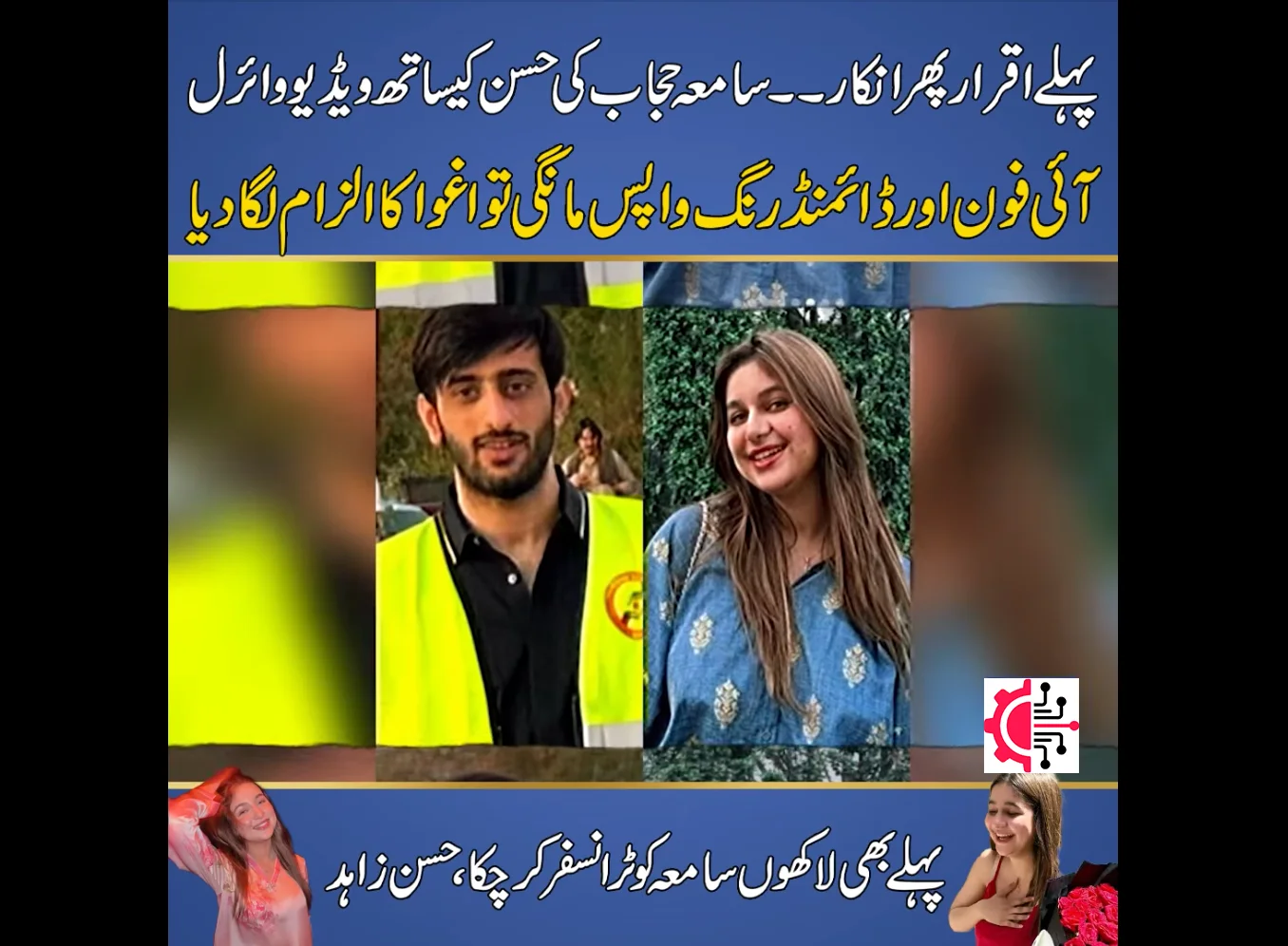
Islamabad — Pakistani Social media influencer Samiya Hijab has alleged that a man, Hassan Zahid, harassed her for months and attempted to kidnap her on August 31, 2025, after she repeatedly rejected his marriage proposals. After Hijab posted a video about the incident, Islamabad police swiftly arrested Zahid.

Authorities say the matter is under active investigation and have cautioned that all claims remain allegations until tested in court.

Details of the alleged incident

  • Stalking and threats: According to the First Information Report (FIR) filed at the Shalimar Police Station, Zahid had been harassing and stalking Hijab for several months. He sent her unwanted gifts and threatened her when she refused his proposals.
  • Attempted abduction: On the evening of August 31, 2025, Zahid allegedly appeared outside Hijab’s house. While her mother was ill and her brother was away, Zahid reportedly snatched her phone and tried to force her into his car. Hijab stated she was physically assaulted and sustained injuries while fighting him off.
  • Evidence and reporting: Hijab recorded and reported part of the incident to the authorities. She also shared her ordeal on social media, leading to public outrage.
  • Fear for safety: In her video statement, Hijab referenced the murder of her friend, TikToker Sana Yousaf, who was killed after rejecting a proposal earlier in 2025. Hijab feared meeting a similar fate, stating, “I do not want to become another Sana”.

Police and legal action

  • Arrest and confession: Following Hijab’s complaint and video, the Islamabad Police arrested Hassan Zahid within 24 hours. On September 2, 2025, Zahid confessed in court before a judicial magistrate, stating, “Sir, I made a mistake”.
  • Physical remand: The court granted a five-day physical remand for Zahid, placing him in police custody for further investigation.
  • Registered charges: A case has been registered against Zahid under multiple sections of the Pakistan Penal Code. The charges include harassment, attempted abduction, assault, and robbery.
  • Police protection: Police have deployed officers outside Hijab’s residence to ensure her safety, as she continued to receive threats from the suspect after filing her complaint.
  • Call for justice: Hijab has called for an exemplary punishment for the suspect, stating her fight for justice is for herself and all women facing similar threats.

What happened and when

According to the first information report (FIR) and subsequent coverage, Samiya told police that a man had been following and pressuring her for days, offering gifts and trying to coerce a relationship. On the evening of August 31, 2025, around 6:30 pm, she says he confronted her outside her home, snatched her phone, and tried to force her into a vehicle. She adds that she has CCTV footage she believes supports her account.

The complaint was lodged at Shalimar Police Station in Islamabad. The incident quickly moved from social media to an official criminal inquiry after her video statement circulated online and local media picked up the story.

samiya hijab case

Police response and arrest

Islamabad Capital Territory (ICT) Police confirmed the arrest of the named suspect soon after the complaint, saying the action followed her FIR and public statement. Initial reports noted that the arrest occurred within roughly a day of the alleged attempt. Police also emphasized that evidence collection was underway.

Coverage from several outlets identifies the suspect as Hassan Zahid. Authorities registered cases that across reports include sections 354 (assault or criminal force to a woman), 365 (kidnapping/abduction), 392 (robbery), 500 (defamation), 509 (insulting the modesty of a woman), and 511 (attempt to commit an offense), among others. (Exact section lists differ slightly by outlet as the matter progressed.)

Court proceedings so far

By September 3, 2025, an Islamabad court had granted police a physical remand of the suspect, reported as five days to continue the investigation. This development followed news that more than one FIR had been registered as the case evolved. These updates indicate the investigation is active and the charges are being tested through standard legal procedures.

Advertisement

It’s worth underlining that remand is not a conviction; it allows investigators time to question the suspect and gather evidence under judicial oversight. Facts on the public record can change as statements are recorded, evidence is forensically examined, and prosecutors finalize their stance.

The evidence under discussion

Samiya has referenced CCTV footage and visible injuries in her statements and posts, material she says substantiates the harassment and attempted abduction claims. Media reports describe her handing this over or citing it within her complaint. The contents of any CCTV or medical assessments will ultimately be weighed by investigators and, if charged, by a court.

Broader context: harassment, coercion, and public figures

The case sits inside a wider national conversation about harassment and coercion on and offline, particularly targeting women with public profiles. In recent months, commentators have urged consistent enforcement of existing laws and better victim protection, noting how online attention can translate into offline risks. Coverage of Samiya’s case situates it alongside other high-profile incidents, underscoring a perceived need to strengthen deterrence and survivor support mechanisms.

What the law says

While only a court can determine guilt, the sections cited across reports outline Pakistan’s legal view of the conduct alleged:

  • Section 354 PPC addresses assault or criminal force to a woman with the intent to outrage her modesty.
  • Section 365 PPC covers kidnapping or abduction with the intent to confine a person.
  • Section 392 PPC relates to robbery.
  • Section 500 PPC addresses defamation.
  • Section 509 PPC concerns words, gestures, or acts intended to insult a woman’s modesty.
  • Section 511 PPC covers attempts to commit an offense.

These sections, used in combination, indicate that investigators are exploring a pattern that includes harassment, violence, and an alleged attempt at unlawful confinement. The exact mix will matter for bail considerations and any eventual indictment.

Where things stand today

As of September 3, 2025, the suspect is in police custody on physical remand while investigators pursue leads. Media note that at least two FIRs are on file related to the matter. Samiya, for her part, has publicly thanked police for moving quickly and has called for firm accountability through the courts.

Advertisement

Responsible reporting note

This article reflects what reputable outlets and official communications have reported to date. Allegations remain allegations until proven, and both complainant and accused have rights under Pakistani law. Facts may change as more evidence is examined or additional court orders are issued. Readers should treat viral social media claims with caution and rely on updates from established newsrooms and official channels.

Sources used for this article:

Dawn’s initial arrest report and follow-up remand coverage; The Express Tribune’s timeline and FIR details; Samaa TV’s breakdown of the PPC sections; Geo’s update on physical remand; and related official-statement summaries carried by multiple outlets. These sources collectively underpin the dates, locations, sections cited, and procedural posture described above.

Continue Reading

Health

Trump Officials Pause Health Agencies Communications: What’s Really Going On?

In early 2025, a decision by Trump administration officials sent ripples through the U.S. health community. Trump officials pause health agencies communications

Published

on

Trump Officials Pause Health Agencies Communications

In early 2025, a decision by Trump administration officials sent ripples through the U.S. health community. Trump officials pause health agencies communications — this headline became a focal point of discussion among public health experts, media professionals, and concerned citizens. But what exactly does this move mean, and why has it caused such a stir?

A Sudden Halt: What Happened?

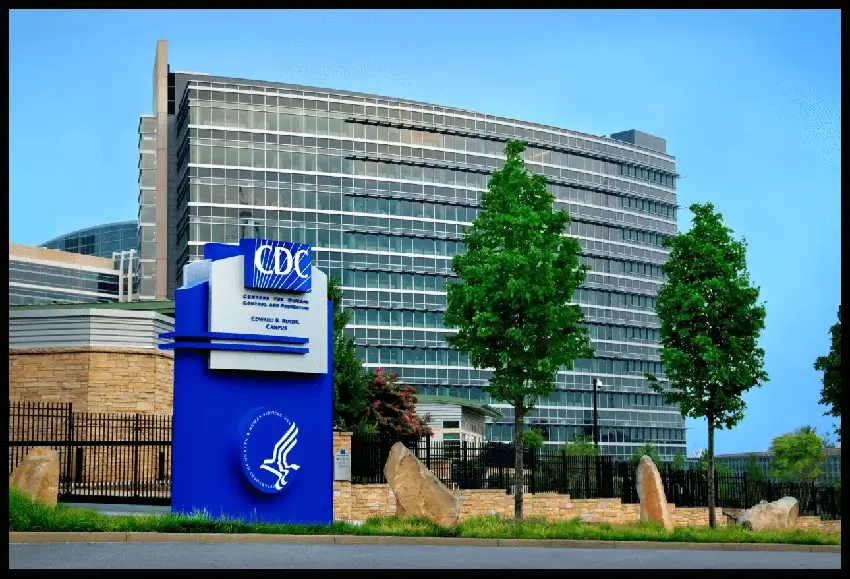
Shortly after taking office, Trump officials asked US health agencies to pause external communications. This included agencies like the Centers for Disease Control and Prevention (CDC), the National Institutes of Health (NIH), and others. The request, according to sources, was framed as a “temporary measure” while a review of ongoing communications strategies was conducted.

The order reportedly included restrictions on press releases, social media activity, website updates, and even participation in conferences. For organizations that thrive on open, timely, and accurate public communication, this abrupt change sparked confusion and concern.

Why Communication Matters in Health Crises

Health agencies like the CDC play a crucial role in informing the public during disease outbreaks, public health emergencies, and vaccine updates. Transparency is not only critical for trust but also for shaping responsible public behavior. When information flow is halted or delayed, it can lead to misinformation, anxiety, and gaps in public understanding.

Pausing communications, especially without a clear public explanation, raises questions about how this affects the government’s ability to handle potential health threats or even day-to-day functions. Many public health experts say such actions can be damaging in the long term, not just for agencies but for public trust overall.

Advertisement

Official Explanation: Review and Alignment

According to administration sources, Trump officials pause health agencies communications, citing a review of current practices. The stated intent is to “align messaging” with new leadership goals and ensure all information shared reflects the administration’s values and priorities.

While some may argue it’s reasonable for a new administration to review agency messaging, the scope and suddenness of this particular pause have raised eyebrows. Critics are concerned that this goes beyond standard administrative reviews and veers into censorship or information control.

The Concern From Scientists and Public Health Leaders

Dozens of scientists and public health leaders have raised red flags. Their main concerns include:

  • Loss of transparency: Health communications are typically based on real-time data. Delays in communication could lead to public health risks.
  • Impact on research: Scientists rely on agencies to share up-to-date findings, especially during disease outbreaks or public health emergencies.
  • Undermining trust: Public trust is difficult to gain and easy to lose. A sudden freeze in communication undermines confidence in institutions like the CDC.

The phrase “Trump officials pause health agencies communications” may seem simple, but the ripple effects are far-reaching.

Communication Freeze: Not Entirely New, But Unusually Broad

While administrative reviews are common during presidential transitions, the current hold seems broader and more restrictive than in the past. Experts have called it “unprecedented” due to its sweep across multiple health agencies and its restriction on even routine public updates.

Trump officials’ pause health agencies communications not only affects internal morale but could delay critical updates to doctors, researchers, and the general public.

Advertisement

How It Affects the Public

When agencies go silent, people notice. Updates about flu season, COVID-19 variants, food safety recalls, or mental health initiatives are essential. Without clear communication, the public may turn to unreliable sources or social media rumors to fill the gap.

Moreover, agencies pausing their participation in conferences and external events means fewer opportunities for real-time collaboration and learning.

Political Motivations or Precaution?

There’s an ongoing debate about whether this communication pause is politically motivated or simply a precautionary step by the administration. While Trump officials ask US health agencies to pause external communications for a “review,” critics argue that such reviews can happen without completely halting communication.

It’s also worth noting that many agency employees were reportedly caught off guard by the decision, with limited explanation or timeline on when communications will resume fully.

Global Perspective: How the U.S. Is Viewed

When world-leading agencies like the CDC go silent, international partners also feel the impact. Health threats often cross borders, and collaboration is key to tackling them. This move has left some international partners questioning the U.S.’s transparency and commitment to global health communication.

Advertisement
Continue Reading

Trending