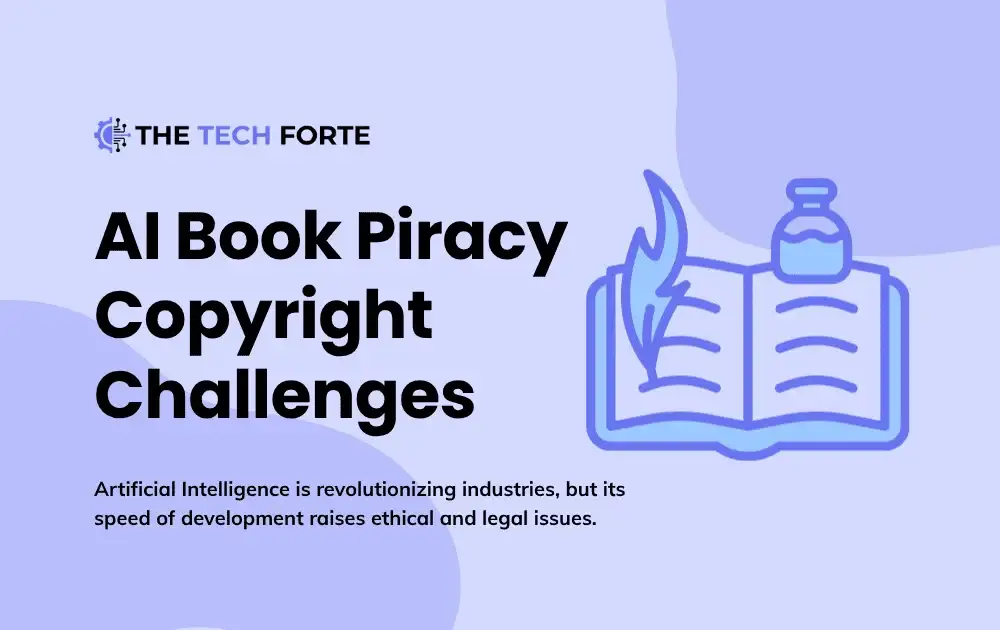
AI Book Piracy - Artificial Intelligence (AI) is revolutionizing industries, but its speed of development raises ethical and legal issues. One of the greatest controversies has been AI's dependency on pirated books for training. AI algorithms run on vast amounts of text data, mostly copyrighted work done without permission. This controversy also raises the essential issues of digital copyright, fair use, and harm to authors and publishers.
The Rise of AI and the Book Piracy Problem
AI requires vast amounts of data to improve natural language processing. However, many AI companies scrape the internet for text, inadvertently (or deliberately) using copyrighted books. This mass collection of data has fueled concerns about intellectual property theft, pushing the publishing industry into a legal and ethical dilemma.
How AI Scrapes and Uses Copyrighted Books
AI systems employ web scraping methods to gather books, articles, and other written materials from online sources. These data are then employed to train language models so that they can create human-like content. The issue comes into play when AI-created content rivals original works, damaging the authors both financially and creatively.
Legal and Ethical Concerns Surrounding AI Book Piracy
The copyright debate surrounding AI book piracy focuses on fair use versus infringement. While AI developers argue that their use of copyrighted materials is transformative, authors and legal experts counter that AI’s reliance on such data amounts to exploitation. The lack of transparency in AI training data exacerbates these concerns, leading to lawsuits and demands for regulation.
The Impact on Authors, Publishers, and Content Creators
Authors spend years creating books, only to find their work being used without consent. AI-generated content, often derived from pirated texts, undermines the publishing industry by reducing book sales and devaluing creative efforts. Publishers, too, face losses as AI-driven summaries and rewrites saturate the digital space.
How AI Companies Justify Their Use of Pirated Content
Some AI companies argue that their models rely on publicly available information, claiming fair use and data democratization. They often highlight that AI-generated content is transformative, but legal experts disagree. Lawsuits against major AI firms suggest that courts may soon enforce stricter copyright regulations.
Industry Response and Legal Battles
Large publishing companies and groups of authors are resisting AI book piracy. AI companies are being sued for unauthorized use of content, and global copyright societies are working towards making these companies accountable. Governments are also updating copyright legislation to tackle AI issues.
Can Copyright Laws Keep Up With AI?
Existing copyright laws struggle to regulate AI content scraping. Legal frameworks were designed for traditional media and may not fully cover AI’s automated data collection practices. Industry experts suggest that new laws and AI-specific copyright protections are essential to safeguard intellectual property rights.
Potential Solutions to AI Book Piracy
To combat AI book piracy, industry leaders are exploring various solutions:
- Transparency: AI developers should disclose training datasets.
- Blockchain Technology: Securing digital rights and tracking content usage.
- AI Detection Tools: Identifying and preventing unauthorized AI-generated content.
- Stronger Legal Frameworks: Governments must enforce stricter copyright policies.
The Future of AI and Copyright Protection
As AI continues to evolve, regulatory measures will shape its ethical use. The publishing industry, authors, and AI developers must collaborate to create fair-use policies that protect intellectual property while enabling innovation. The balance between progress and ethical responsibility will define AI’s future in literature and beyond.
Research-Backed by "The Tech Forte"
At The Tech Forte, we prioritize in-depth research and factual accuracy. Our analysis of AI book piracy stems from extensive case studies, industry reports, and expert opinions. We examined legal frameworks, interviewed authors, and analyzed AI training methods to provide you with a well-rounded perspective. This article is a testament to our commitment to delivering insightful, research-backed content that empowers readers with actionable knowledge.
Conclusion
AI book piracy is a growing concern that challenges copyright laws and ethical boundaries. While AI’s capabilities are impressive, its reliance on pirated books creates a legal minefield. As the publishing industry fights back and governments push for stricter regulations, the future of AI and copyright protection remains uncertain. The need for fair AI practices, transparency, and legal clarity is more crucial than ever.